Ultimate Guide to Modern Laptop Performance: Specs, Upgrades & Optimization
Laptop performance has become increasingly critical in today’s fast-paced digital world. Whether you’re a student juggling coursework, a professional handling resource-intensive applications, or a content creator pushing creative boundaries, understanding what drives laptop performance is essential. Modern laptops pack impressive processing power into compact form factors, but not all machines are created equal. This comprehensive guide explores everything from baseline specifications to practical optimization strategies that can breathe new life into your existing system.
The landscape of laptop technology has evolved dramatically over the past few years. Processors have become more efficient, storage solutions have shifted from mechanical drives to lightning-fast SSDs, and RAM configurations now support multitasking at unprecedented levels. Yet many users remain confused about which specifications truly matter and how to maximize their machine’s potential. We’ll break down the technical jargon, explore real-world performance implications, and provide actionable advice for anyone looking to get the most from their laptop investment.
Understanding Core Specifications
When evaluating laptop performance, certain specifications serve as reliable indicators of capability. The processor (CPU), random-access memory (RAM), storage drive type, and graphics processing unit (GPU) form the foundation of any performance assessment. These components work in concert, and bottlenecks in any single area can significantly impact overall system responsiveness.
Processing power is measured in gigahertz (GHz) and core count. Modern laptops typically feature processors with 4 to 12 cores, with newer generations offering superior efficiency at the same clock speeds. The difference between a dual-core and octa-core processor becomes immediately apparent when running multiple applications simultaneously or handling demanding workloads. RAM capacity directly influences multitasking capability—8GB represents the bare minimum for comfortable everyday use, while 16GB has become the sweet spot for most users, and 32GB serves professional workflows involving video editing, 3D rendering, or data analysis.
Storage speed matters more than many realize. Traditional hard disk drives (HDDs) operate at mechanical speeds, typically 5400 or 7200 RPM, creating significant bottlenecks during boot sequences and application launches. Solid-state drives (SSDs) eliminate mechanical delays entirely, delivering boot times under 10 seconds and near-instantaneous application loading. NVMe SSDs represent the current generation standard, offering speeds that dwarf SATA-based predecessors.
Processor Performance Explained
The central processing unit remains the most critical component for overall system performance. Current-generation processors from Intel (Core i5, i7, i9) and AMD (Ryzen 5, 7, 9) offer dramatically improved performance-per-watt compared to older generations. Understanding processor architecture helps explain why a newer mid-range CPU often outperforms an older high-end model.
Single-threaded performance determines responsiveness in everyday tasks—web browsing, document editing, and light multitasking. Multi-threaded performance becomes crucial for content creation, scientific computing, and virtualization. Modern processors employ sophisticated caching strategies and branch prediction to maximize throughput. The thermal design power (TDP) indicates heat output; lower TDP processors generate less heat and consume less battery power, translating to longer unplugged usage.
Integrated graphics have improved substantially, with AMD’s Radeon and Intel’s Iris Xe graphics now handling light gaming and creative applications without discrete GPUs. However, dedicated graphics cards from NVIDIA (GeForce RTX) or AMD (Radeon) remain essential for serious gaming, 3D modeling, and machine learning tasks. When researching processors, consult TechPowerUp CPU database for detailed benchmark comparisons across real-world workloads.
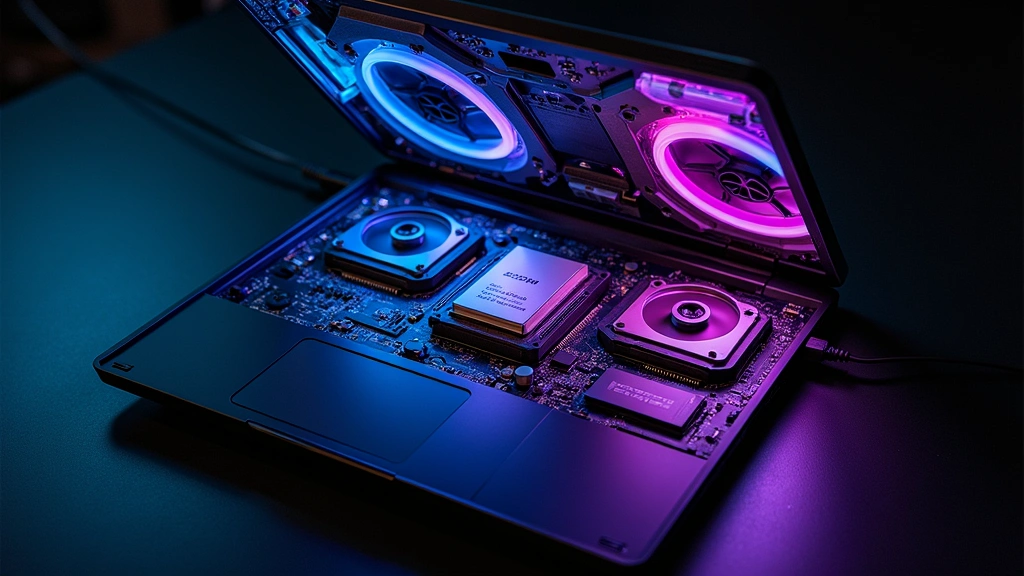
Thermal management significantly impacts sustained performance. Laptops with superior cooling solutions maintain higher clock speeds under load, translating to consistent performance during extended work sessions. Budget models sometimes throttle performance when temperatures rise, compromising reliability during demanding tasks. Premium laptops invest in vapor chambers, larger heatsinks, and multiple cooling fans to maintain optimal thermal conditions.
Memory and Storage Considerations
RAM capacity and speed directly correlate with multitasking smoothness and application responsiveness. Each open browser tab, document, or background process consumes memory; when physical RAM reaches capacity, the system begins writing data to storage (page filing), which dramatically slows performance. Modern web browsers alone consume 200-500MB per tab, making 8GB insufficient for heavy users.
The difference between DDR4 and DDR5 memory exists but remains modest for typical users. DDR5 offers higher bandwidth and lower latency, providing approximately 10-15% performance improvements in memory-intensive tasks. For most users, DDR4 remains perfectly adequate; the performance delta becomes noticeable primarily in professional applications and high-end gaming.
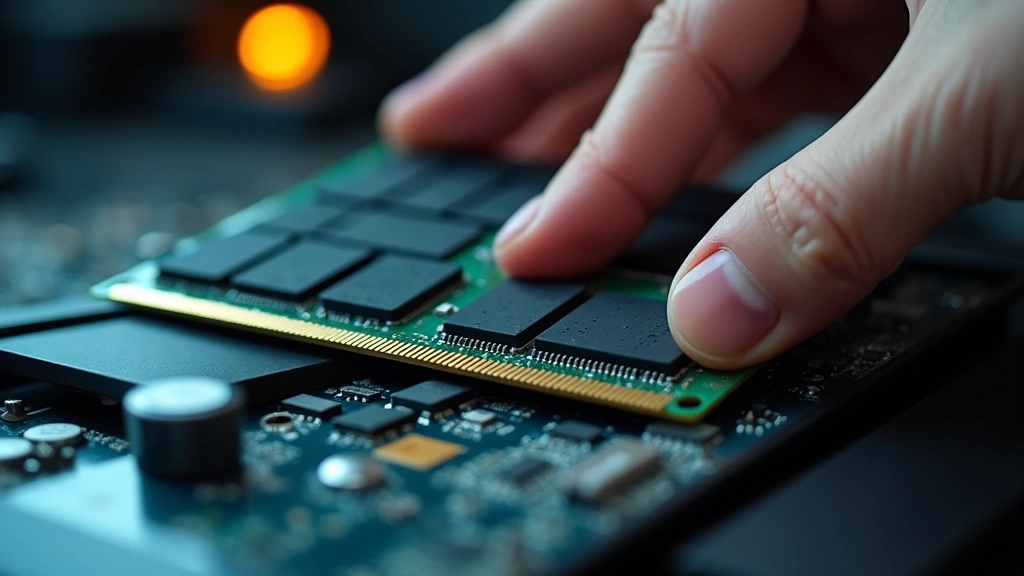
Storage represents perhaps the most impactful upgrade opportunity. If your current laptop feels sluggish, consider upgrading laptop memory and storage, which often requires minimal technical expertise. Many laptop models allow straightforward SSD replacement; removing the bottom panel and swapping the drive takes 15 minutes. Upgrading from a mechanical drive to an NVMe SSD can reduce boot times from 45 seconds to 8 seconds and cut application launch times by 60-70%.
Storage capacity requirements depend on usage patterns. Operating systems and essential applications consume 25-40GB; content creators working with 4K video or large image libraries need 500GB minimum. For general users, 256GB represents the practical minimum, though 512GB provides comfortable headroom. Cloud storage services like OneDrive, Google Drive, and Dropbox supplement local storage, allowing access to files across devices without consuming precious drive space.
Graphics and Display Quality
Display quality profoundly impacts daily user experience, yet many overlook this specification. Resolution, panel type, refresh rate, and color accuracy each contribute to visual quality and eye comfort during extended use. A 1080p (1920×1080) display remains standard for 13-14-inch laptops, while 15-inch models increasingly feature 1440p or 1600p resolution for improved sharpness.
Panel technology determines viewing angles, color reproduction, and response time. IPS panels offer superior color accuracy and wide viewing angles, making them ideal for creative professionals. VA panels provide better contrast ratios. TN panels prioritize response time, benefiting competitive gamers. High refresh rate displays (120Hz, 144Hz) reduce motion blur and feel noticeably smoother than standard 60Hz panels, particularly noticeable during scrolling and gaming.
Color accuracy matters significantly for photographers, designers, and videographers. Professional-grade displays cover 99% of the Adobe RGB or DCI-P3 color space, ensuring accurate color representation. Consumer displays typically cover 60-70% of these spaces, introducing color shifts when editing content destined for professional output. Brightness (measured in nits) affects visibility in bright environments; 300+ nits ensures comfortable outdoor use, while 400+ nits provides excellent visibility in sunlit conditions.
For gaming and content consumption, consider best laptops for students 2025 which evaluate display quality alongside performance metrics. Graphics processing power determines gaming frame rates and creative application responsiveness. Entry-level integrated graphics handle esports titles at 60fps; mid-range discrete GPUs enable AAA gaming at medium-to-high settings; professional-grade GPUs accelerate rendering, encoding, and machine learning workloads.
Upgrade Options and Feasibility
Not all laptop components are equally upgradeable. RAM and storage typically remain accessible, while processors and graphics cards are soldered directly to the motherboard in most modern laptops. Understanding what’s upgradeable helps prioritize initial purchase decisions and informs long-term value assessment.
RAM upgrades offer significant value for older laptops running 4GB or 8GB. Upgrading to 16GB costs $30-50 and can make a sluggish machine feel responsive again. Most laptops feature two SODIMM slots; check your specific model’s manual to confirm compatibility and maximum supported capacity. DDR4 and DDR5 are incompatible, so verify which generation your motherboard supports before purchasing.
Storage upgrades prove even more impactful. Replacing a mechanical drive with an NVMe SSD transforms system responsiveness. Current NVMe drives cost $40-80 for 500GB capacity, $70-120 for 1TB. The installation process requires minimal tools—typically just a Phillips screwdriver and 15 minutes. If your laptop features soldered storage (increasingly common in ultrabooks), upgrade capacity before purchase, as upgrading later becomes impossible.
For fixing slow computer performance, software optimization often proves equally important as hardware upgrades. Removing unnecessary startup programs, updating drivers, and managing background processes can recover 20-30% of system responsiveness without hardware investment.
Optimization Techniques
Even high-performance laptops suffer from degraded performance over time. Software accumulation, driver updates, and background process proliferation gradually consume system resources. Systematic optimization can restore lost performance and extend hardware lifespan.
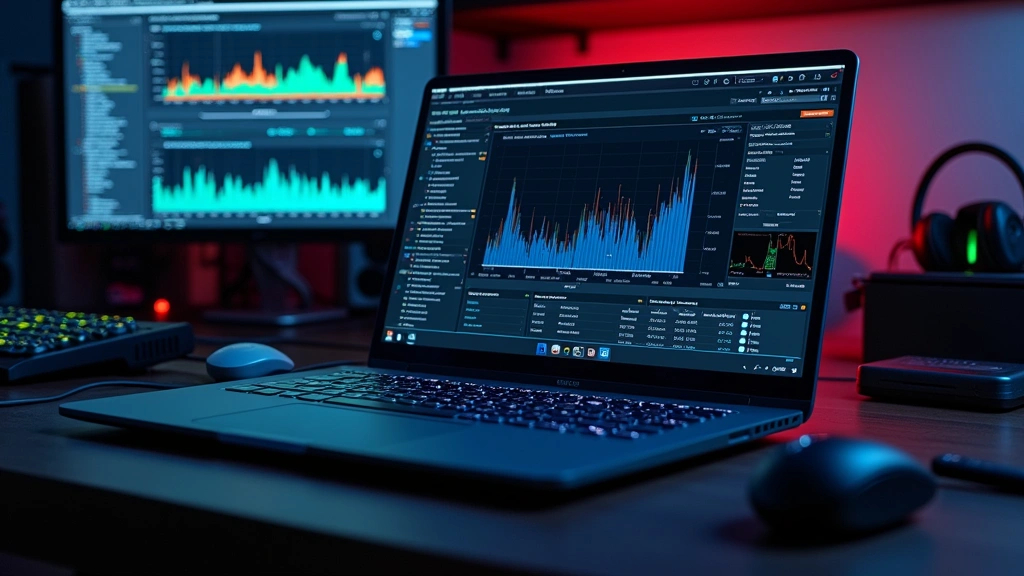
Startup program management represents the quickest performance gain. Windows Task Manager reveals dozens of applications automatically launching at boot, consuming RAM and CPU cycles before you’ve opened a single application. Disable unnecessary startup items—most users don’t need Adobe Creative Cloud helper processes, Dropbox sync services, or manufacturer bloatware running constantly. Each disabled startup program reduces boot time and improves overall responsiveness.
Driver updates significantly impact performance and stability. GPU drivers particularly benefit from regular updates, with monthly releases often including performance optimizations alongside bug fixes. Chipset, network, and audio drivers equally deserve attention. Manufacturers release driver updates addressing compatibility, security, and performance—installing these updates costs nothing and requires minimal effort.
Storage maintenance improves performance. Modern SSDs employ wear-leveling and garbage collection, but fragmentation still occurs. Windows’ built-in Optimize-Volume cmdlet or third-party tools like Trim Enabler help maintain SSD health. Regular disk cleanup removes temporary files, cache data, and Windows update residue, freeing 5-20GB depending on system age.
Background process management deserves ongoing attention. Windows services, antivirus software, and cloud synchronization utilities consume CPU and RAM even during idle periods. Services.msc reveals dozens of optional Windows services; disabling unnecessary ones like Bluetooth support (if you don’t use wireless peripherals) or Fax services recovers resources. Antivirus software selection significantly impacts performance—modern Windows Defender provides adequate protection for most users while consuming minimal resources, whereas third-party solutions often impose substantial overhead.
Memory management optimization involves monitoring RAM usage and identifying resource-hungry applications. Web browsers particularly benefit from memory optimization; limiting open tabs and using extensions that unload inactive tabs reduces memory pressure. Professional applications like video editors and 3D modeling software genuinely require substantial RAM; attempting to work with insufficient memory guarantees poor performance.
Consider cloud computing benefits for businesses which extends to individual users. Offloading computationally intensive tasks to cloud services like Google Drive (document processing), Adobe Creative Cloud (rendering), or AWS (data analysis) preserves local resources while leveraging superior remote infrastructure. For students and professionals, this approach often proves more cost-effective than purchasing high-end hardware.
Temperature management extends hardware lifespan and maintains sustained performance. Elevated operating temperatures reduce component lifespan and trigger thermal throttling, which reduces clock speeds to prevent damage. Laptop cooling pads, desk positioning allowing proper ventilation, and regular dust cleaning prevent thermal issues. Professional users should consider external GPU enclosures for additional graphics processing without compromising thermal conditions.
For deeper technical optimization, consult AnandTech’s comprehensive hardware analysis and NotebookCheck’s detailed laptop reviews, which provide benchmark data and long-term reliability assessments informing purchase decisions and upgrade planning.
FAQ
What laptop specs matter most for everyday use?
For general browsing, document editing, and media consumption, prioritize processor generation (current-gen Intel i5 or AMD Ryzen 5), 16GB RAM, and 512GB NVMe SSD. Display quality and build materials significantly impact daily satisfaction, often more than raw performance metrics.
Should I upgrade RAM or storage first?
Storage upgrades typically provide more noticeable performance improvements. Upgrading from mechanical drive to SSD transforms system responsiveness. RAM upgrades benefit users running multiple applications simultaneously or memory-intensive workloads. Ideally, upgrade both if your laptop supports it.
How much RAM do content creators need?
Video editors working with 4K footage benefit from 32GB RAM minimum; 64GB suits professional workflows. Photographers and graphic designers typically manage comfortably with 16GB. The specific application and project complexity determine actual requirements.
Is upgrading from DDR4 to DDR5 worth it?
For typical users, no. Performance improvements remain modest (10-15%) while costs remain elevated. DDR5 becomes worthwhile for professional workflows involving large dataset processing or high-end gaming at maximum settings.
Can I upgrade the processor in my laptop?
Almost certainly not. Modern laptops solder processors directly to motherboards, making upgrades impossible. Processor selection must occur during purchase. This emphasizes buying with future needs in mind.
What’s the best way to extend laptop battery life?
Reduce display brightness, disable background applications, lower screen refresh rate, enable power saver mode, and avoid demanding applications during unplugged use. Hardware-level improvements involve undervolting (reducing voltage to CPU) or upgrading to a larger capacity battery if possible.
How often should I clean my laptop cooling system?
Quarterly cleaning maintains optimal thermal performance. Dust accumulation restricts airflow, elevating temperatures by 10-15°C. Use compressed air to blow dust from vents; never use a vacuum cleaner due to static electricity risk.
Is gaming laptop performance worth the premium?
Gaming laptops offer superior cooling, higher refresh rate displays, and dedicated graphics—features that improve overall responsiveness even for non-gaming work. The performance premium justifies itself if you regularly run demanding applications, though gaming-specific features add cost.


