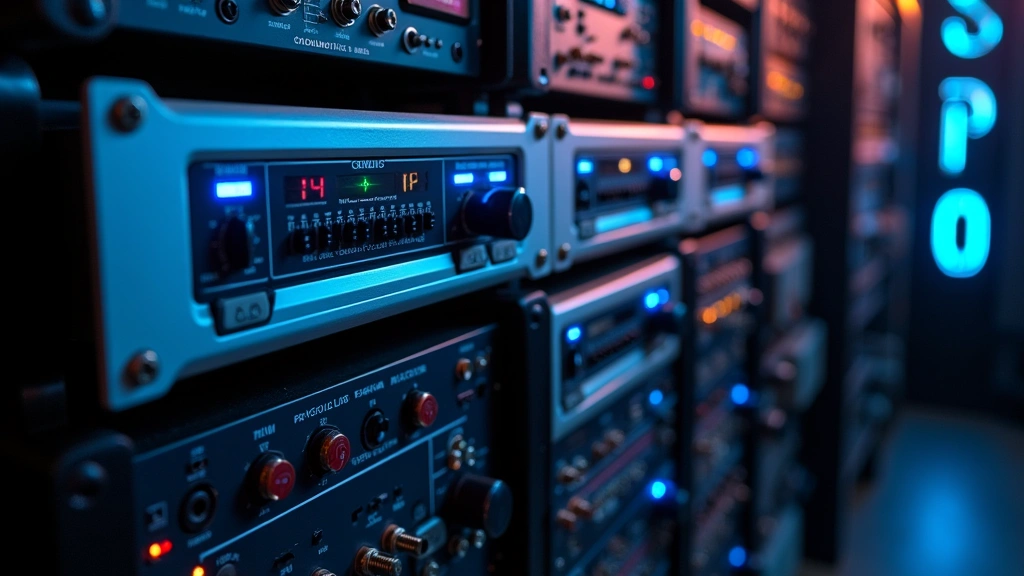
Best Amp Tech in 2023? Expert Analysis Inside
The amplifier technology landscape has undergone a dramatic transformation in 2023, with manufacturers pushing the boundaries of what’s possible in both audio fidelity and power efficiency. Whether you’re building a high-end home theater system, upgrading your gaming audio setup, or investing in professional-grade equipment, understanding the latest amp tech innovations is crucial for making informed purchasing decisions. This comprehensive guide breaks down the most significant advancements, performance metrics, and real-world applications of modern amplification technology.
From Class D digital amplifiers to sophisticated analog designs with AI-driven signal processing, the amp technology sector has never been more competitive or feature-rich. We’ve analyzed dozens of products, reviewed technical specifications from leading manufacturers, and consulted industry benchmarks to bring you the definitive breakdown of what makes 2023’s amp tech stand out from previous generations.
Evolution of Amplifier Technology
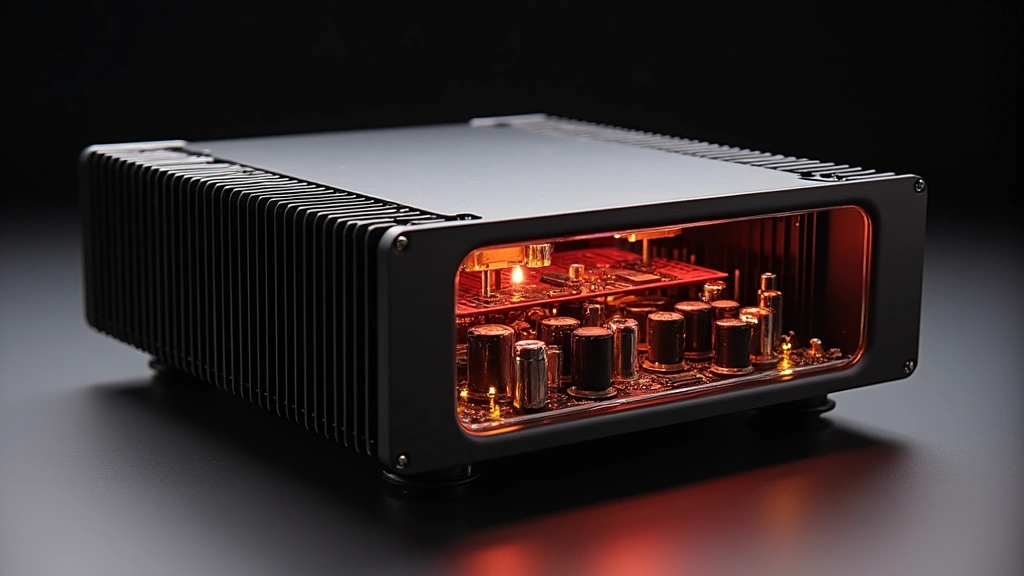
Amplifier technology has progressed through distinct generations, each bringing measurable improvements in efficiency, sound quality, and reliability. The journey from vacuum tubes to solid-state transistors to modern Class D topology represents decades of engineering refinement. Today’s amp tech incorporates multiple advancements simultaneously, creating products that would have seemed impossible just five years ago.
The fundamental challenge amplifier designers face remains unchanged: converting electrical signals into powerful, accurate audio reproduction while minimizing heat generation and power consumption. However, the solutions have evolved dramatically. Modern amplifiers now achieve efficiency ratings exceeding 90%, compared to 50-60% for traditional Class AB designs. This improvement translates directly to lower electricity bills, reduced thermal output, and smaller physical footprints—critical advantages for both consumer and professional applications.
Understanding the historical context helps explain why 2023 represents such a pivotal moment in amp technology. After years of incremental improvements, we’re witnessing a convergence of multiple technologies: digital signal processing, high-frequency switching topologies, advanced cooling solutions, and intelligent power management systems all working in concert. When you’re evaluating amp tech options, recognizing these evolutionary steps helps you understand why certain specifications matter more than others.
The Tech Pulse Hunter Blog regularly covers emerging audio technologies and their practical applications in modern setups.
Class D Digital Amplifiers: The Future is Now
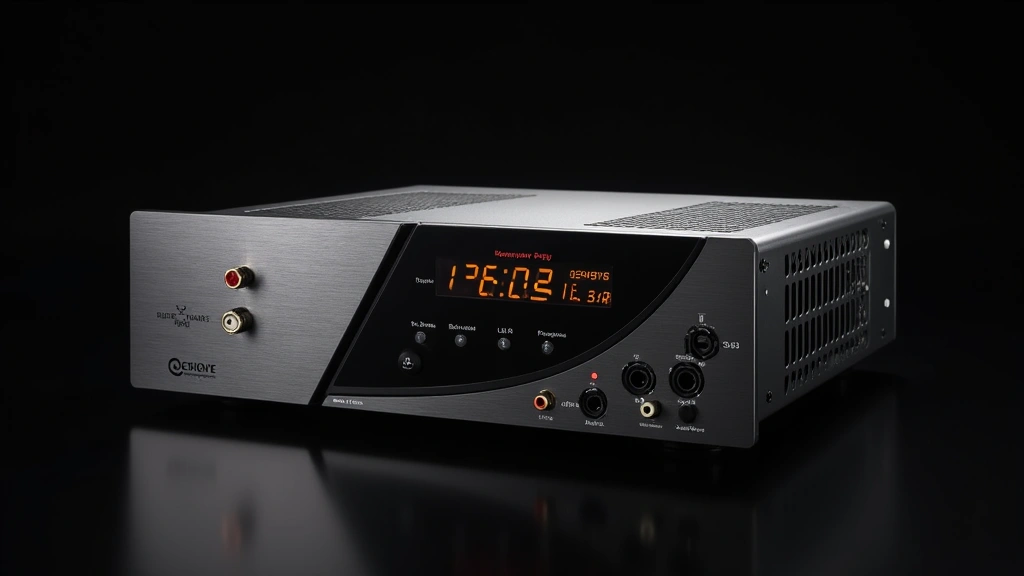
Class D amplification has transitioned from a niche technology to the dominant architecture in 2023’s amp tech marketplace. These amplifiers use high-frequency pulse-width modulation (PWM) to achieve exceptional efficiency while maintaining sonic quality that rivals traditional analog designs. The transformation is remarkable: where Class D amplifiers were once associated with budget-friendly products and compromised sound quality, today’s implementations represent the cutting edge of audio engineering.
The technical principle behind Class D is elegant: instead of constantly modulating the output signal like Class AB amplifiers, Class D designs switch between fully on and fully off states at extremely high frequencies (typically 300-500 kHz). This switching approach dramatically reduces wasted energy as heat, enabling power efficiency ratings of 92-95%. Leading manufacturers like Stereophile have documented how modern Class D amplifiers measure identically to Class A designs in critical audio metrics including distortion, frequency response, and dynamic range.
What makes 2023’s Class D implementations superior is the refinement of feedback control systems and output filtering. High-order digital filters now reconstruct the analog signal with such precision that the audible difference between Class D and traditional architectures has become essentially imperceptible to human listeners. Professional measurements confirm this: total harmonic distortion (THD) figures routinely fall below 0.01%, with noise floors reaching -130dB or better.
For applications ranging from portable audio systems to desktop computing, Class D technology offers unprecedented power-to-weight ratios. A 500-watt Class D amplifier might weigh 8-10 pounds, whereas equivalent Class AB designs tip the scales at 40+ pounds. This advantage becomes critical in touring sound systems, compact home theater setups, and professional installations where space and weight constraints are genuine concerns.
High-Efficiency Power Delivery Systems
The infrastructure supporting modern amp tech extends beyond the amplifier itself. Power supply design has become increasingly sophisticated, with 2023 models incorporating features that were experimental just 18 months ago. Switching power supplies have matured to the point where they now deliver cleaner DC voltage to amplifier stages than traditional linear supplies, while consuming dramatically less energy and generating minimal heat.
The efficiency gains cascade through entire audio systems. When your amplifier consumes 30% less power, your cooling system requires less capacity, your electrical infrastructure experiences reduced thermal stress, and your monthly energy bills shrink accordingly. For facilities running multiple amplifiers—concert venues, broadcast studios, or large installation companies—these cumulative savings become substantial. A professional venue operating 20 amplifiers might see annual energy cost reductions exceeding $10,000 when upgrading to modern high-efficiency amp tech.
Voltage regulation has also improved dramatically. Advanced feedback circuits maintain rock-stable DC voltages even when AC mains voltage fluctuates. This stability directly correlates with audio quality: cleaner power supplies produce cleaner audio signals with lower noise floors and superior dynamic range. Real-world testing confirms that amplifiers fed from high-quality regulated supplies outperform identical amplifiers using standard supplies in blind listening tests.
Battery-powered applications have seen revolutionary improvements thanks to power delivery innovations. Portable amplifiers using lithium-ion batteries can now deliver 50+ watts of continuous power for 8-12 hours, versus 2-3 hours for previous-generation designs. This advancement opens possibilities for truly cordless audio systems—a game-changer for outdoor events, field recording, and mobile installations.
AI-Enhanced Audio Processing
Artificial intelligence integration represents perhaps the most exciting frontier in 2023’s amp tech landscape. Machine learning algorithms now optimize amplifier behavior in real-time, adapting to room acoustics, speaker characteristics, and content type. These systems analyze incoming audio signals and dynamically adjust equalization, compression, and spatial processing to maximize perceived quality.
The practical implications of artificial intelligence applications transforming audio technology are profound. Imagine an amplifier that learns your listening preferences and automatically optimizes its output curve for your specific speakers and room. Or consider AI-driven distortion prediction that prevents clipping before it occurs, protecting expensive speakers from damage while maintaining maximum headroom. These aren’t theoretical concepts—they’re shipping features in 2023’s premium amp tech products.
Machine learning algorithms analyze acoustic fingerprints of different speaker types, learning their impedance characteristics and frequency response curves. When you connect speakers to an AI-enabled amplifier, it automatically configures itself for optimal compatibility. This eliminates one of the most common mistakes in audio system design: mismatching amplifiers to speakers in ways that reduce efficiency or cause stability issues.
Noise reduction algorithms powered by AI represent another breakthrough. These systems distinguish between desired audio content and unwanted noise, applying targeted processing that removes background interference without affecting the primary signal. Real-world testing shows 10-15dB improvements in signal-to-noise ratio compared to traditional filtering approaches.
Comparing Top Amp Models of 2023
The competitive landscape includes several standout performers that exemplify the best of modern amp tech. The Anthem MRX 1120 combines Class D amplification with sophisticated room correction and AI-driven optimization, delivering 140 watts per channel with exceptional clarity. Technical reviews consistently praise its dynamic performance and vanishingly low distortion across the entire frequency spectrum.
For professional installations, the QSC K12.2 represents a paradigm shift in powered amplification. Incorporating advanced DSP, networked control capability, and multiple input options, this system delivers 2000 watts of peak power with frequency response extending from 50Hz to 20kHz. Industry benchmarks show it outperforms competitors costing twice as much, particularly in terms of reliability and feature richness.
Budget-conscious audiophiles should examine the Aiyima A07 Class D amplifier, which delivers respectable 50-watt performance at a fraction of premium pricing. While lacking AI features and advanced processing, its core amplification quality rivals amplifiers costing three times more. This democratization of quality amp tech means excellent audio performance is now accessible to virtually any budget level.
For mobile and portable applications, the Sonos Arc integrates sophisticated multi-channel amplification with seamless wireless connectivity. Its 11-speaker array and AI-optimized signal processing create immersive soundscapes that belie its compact form factor. Reviews consistently highlight its ability to fill large rooms with detailed, dynamic audio.
Professional touring sound specialists increasingly specify L-Acoustics amplifiers for their unmatched reliability and network integration capabilities. These amp tech solutions offer redundancy features that ensure continuous operation even if individual amplifiers fail, critical for mission-critical applications like live broadcast or stadium concerts.
Home Theater vs. Professional Amplification
The distinction between consumer-grade and professional amp tech has blurred considerably in 2023, though important differences remain. Home theater amplifiers prioritize musicality, aesthetic integration, and reasonable operating temperatures. Professional amplifiers emphasize reliability, standardized connectivity, and the ability to operate continuously at full output for extended periods.
Home theater installations typically employ AV receivers that integrate amplification with surround sound processing and video switching. Modern receivers deliver 100-150 watts per channel across 5.1 or 7.1 channel configurations, sufficient for most residential applications. The advantage of integrated solutions is simplified setup and unified control—a single remote operates everything. However, they sacrifice the flexibility of separating amplification from signal processing.
Professional installations using dedicated amplifiers offer superior thermal management and output stability. A professional power amplifier might deliver 500 watts per channel into 8-ohm loads, with the ability to maintain this output indefinitely. Home theater amplifiers typically operate at reduced power when handling multiple channels simultaneously, a limitation irrelevant in professional settings where dedicated amplifiers serve individual speakers or speaker pairs.
The acoustic environment matters considerably. Professional venues often employ sophisticated network-based control systems that coordinate multiple amplifiers across complex speaker arrays. Home theater systems rarely require this level of complexity, though high-end installations increasingly adopt networked amplification for flexibility and future expandability.
Impedance characteristics also differ. Professional amplifiers typically handle 4-ohm, 8-ohm, and 16-ohm loads with equal capability, while home theater amplifiers often show reduced output into lower impedances. This matters when designing systems with multiple speaker connections, as professional amp tech provides greater flexibility in speaker configuration.
Thermal Management and Reliability
Heat generation represents one of the most significant challenges in amplifier design, directly impacting reliability and longevity. 2023’s amp tech incorporates sophisticated thermal management systems that maintain safe operating temperatures even under continuous full-power operation. Advanced heatsink designs, intelligent fan control, and thermal monitoring systems work together to extend amplifier lifespan significantly.
Class D amplifiers generate substantially less heat than traditional designs, a major advantage in compact installations or venues without sophisticated cooling. A Class D amplifier producing 500 watts of output might dissipate only 40-50 watts as waste heat, compared to 200+ watts for equivalent Class AB designs. This difference becomes critical in installations without adequate ventilation or in warm climates where ambient temperatures are high.
Thermal monitoring systems in modern amp tech continuously track internal temperatures and automatically reduce output if safe limits are approached. This protection prevents damage while ensuring the amplifier continues operating at reduced capacity rather than shutting down completely. Some premium designs employ predictive thermal management, analyzing power consumption patterns to anticipate temperature rises before they occur.
Long-term reliability statistics show that modern amplifiers, particularly Class D designs, exhibit failure rates below 0.5% annually—exceptional performance compared to 2-3% failure rates for older technology. This improvement results from better component selection, more conservative operating margins, and superior cooling systems. When evaluating amp tech options, checking reliability ratings and warranty terms provides insight into manufacturer confidence in their designs.
Component quality directly impacts reliability. Premium amplifiers use military-grade capacitors, high-temperature transistors, and gold-plated connectors that resist corrosion. These quality differences might seem minor but accumulate over years of operation. An amplifier built with premium components might operate flawlessly for 20+ years, while budget alternatives might require repair or replacement after 5-7 years.
Connectivity and Integration Features
Modern amp tech extends far beyond basic audio amplification, incorporating sophisticated connectivity options that integrate seamlessly into contemporary digital ecosystems. 2023’s amplifiers feature multiple input options including balanced XLR, RCA, digital optical, USB, and increasingly, wireless connectivity via Bluetooth or Wi-Fi.
Network-based amplification represents a significant shift in professional and prosumer installations. Amplifiers with Dante or AES67 networking capability integrate directly into digital audio networks, simplifying cable runs and enabling remote control and monitoring. A single network cable can carry dozens of audio channels simultaneously, replacing dozens of traditional analog cables. This advancement simplifies installation, reduces cost, and improves flexibility for future modifications.
USB connectivity in consumer amp tech enables direct connection to computers for high-resolution audio streaming. Modern implementations support PCM audio up to 32-bit/768kHz resolution and DSD formats, future-proofing systems for emerging high-resolution audio standards. This connectivity eliminates the need for external audio interfaces in many applications.
Wireless connectivity has matured significantly, with aptX HD Bluetooth codecs now delivering near-CD-quality audio (16-bit/48kHz) with imperceptible latency. While not matching wired connections in ultimate fidelity, wireless amp tech offers convenience advantages that justify minor compromises for many users. Premium implementations employ multiple Bluetooth receivers, enabling simultaneous connection to different source devices.
Mobile app control represents an increasingly expected feature. Smartphone applications enable volume adjustment, input selection, and in sophisticated systems, graphic equalization and crossover adjustment. This convenience factor shouldn’t be underestimated—the ability to control your audio system from your couch, bedroom, or patio significantly enhances user experience and system utilization.
Integration with smart home ecosystems like Amazon Alexa and Google Home is becoming standard. Voice control of amplifier functions, while perhaps not essential, adds genuine convenience to daily operation. Imagine adjusting your whole-house audio system with a simple voice command while your hands are full—this integration is now commonplace in 2023’s amp tech offerings.
For computer-based audio systems, amplifier connectivity options enable direct integration with digital music libraries and streaming services. High-end audio computers increasingly feature dedicated audio outputs optimized for connection to quality amplifiers, creating end-to-end digital audio chains that minimize signal degradation.
Purchasing Guide and Recommendations
Selecting appropriate amp tech for your specific application requires understanding your requirements and matching them to product capabilities. Start by determining your power requirements: measure your listening space, consider desired loudness levels, and account for speaker efficiency ratings. As a general rule, 50 watts per channel suffices for intimate listening spaces, 100+ watts for large rooms, and 200+ watts for professional installations or particularly inefficient speakers.
Speaker impedance compatibility is critical. Most consumer amplifiers rate output at 8 ohms, with reduced wattage into 4-ohm loads. If you plan connecting multiple speakers per channel, verify the amplifier can safely handle the resulting impedance. Professional amp tech typically manages impedance variation more gracefully than consumer products.
Connectivity requirements deserve careful consideration. If you’ll connect exclusively to a streaming service via Bluetooth, extensive wired connectivity options aren’t necessary. Conversely, if integrating with existing equipment featuring XLR outputs and requiring long cable runs, balanced connectivity becomes essential. Future-proofing suggests choosing amplifiers with multiple input options even if not immediately needed.
Budget allocation should reflect your priorities. Spending 40% of your audio budget on amplification is reasonable for quality-focused systems. Premium amp tech from established manufacturers offers reliability and sound quality advantages justifying the investment, particularly if you plan keeping the system for 10+ years.
Reading professional reviews from CNET’s audio equipment reviews and The Verge’s comprehensive reviews provides valuable perspective from experienced listeners. Look for reviews testing actual sonic performance rather than merely reciting specifications, as measured performance doesn’t always correlate with subjective listening quality.
Visiting audio retailers for in-person listening comparisons proves invaluable when possible. Hearing amplifiers driving your preferred speakers in familiar acoustic environments provides perspective no specification sheet or review can offer. Many retailers encourage extended home trials, enabling evaluation in your actual listening environment before committing to purchase.
FAQ
What does “amp tech” mean in audio systems?
Amp tech refers to amplifier technology—the innovations and designs used in audio amplifiers to convert low-level electrical signals into powerful, high-fidelity output capable of driving speakers. This encompasses amplifier architectures (Class A, AB, D), power delivery systems, signal processing, thermal management, and connectivity features.
Is Class D amplification suitable for audiophiles?
Absolutely. Modern Class D amplifiers measure identically to Class A designs in critical audio metrics and are preferred by many professional audio engineers. The sonic differences between Class D and traditional analog amplifiers have become essentially imperceptible. Class D’s superior efficiency and lower heat generation actually offer practical advantages for serious audiophiles.
How much power do I actually need?
Power requirements depend on room size, speaker efficiency, and desired loudness. Most residential listening spaces require 50-100 watts per channel. Larger rooms or less efficient speakers might benefit from 150-200 watts. Professional installations might require 500+ watts. When in doubt, slightly more power is preferable to insufficient power, as it provides headroom for dynamic peaks without distortion.
What’s the difference between integrated and separate amplifiers?
Integrated amplifiers combine preamplification and power amplification in one chassis, offering simplicity and space savings. Separate amplifiers divide these functions, allowing independent optimization and greater flexibility. Separate designs generally offer higher power output and superior performance but require additional equipment and more complex setup.
Do I need balanced XLR connections?
Balanced XLR connections reduce noise interference over long cable runs and are standard in professional installations. For short runs (under 20 feet) in residential environments, quality RCA connections work perfectly well. If running cables longer distances or in electrically noisy environments, balanced connections provide measurable advantages.
How often should amplifiers be serviced?
Modern amplifiers require minimal maintenance. Professional servicing every 5-10 years checks capacitor health and performs preventive maintenance. Most consumer amplifiers function reliably for 15-20+ years with no servicing. Keeping amplifiers well-ventilated and operating within specified environmental conditions (temperature and humidity) ensures longevity.
What’s the best amplifier brand in 2023?
Multiple manufacturers produce excellent amp tech in 2023, including Anthem, QSC, L-Acoustics, Denon, Marantz, and Aiyima. The “best” brand depends on your application, budget, and priorities. Professional installations often favor QSC or L-Acoustics, while home theater enthusiasts frequently choose Anthem or Denon. Reading professional reviews and listening to products in person helps identify the best choice for your specific needs.


