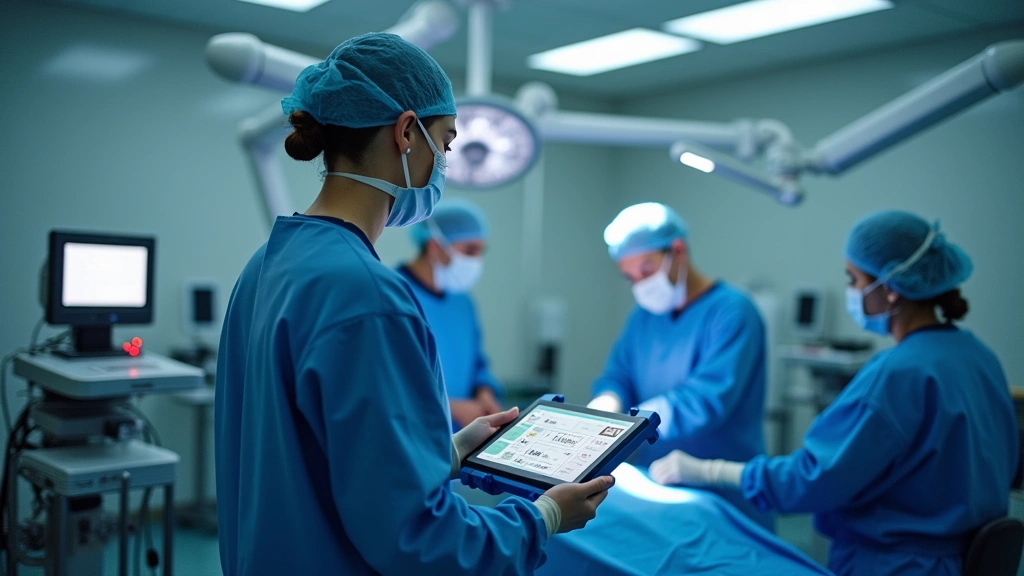
Top Gadgets for Anesthesia Techs in 2025
Anesthesia technicians play a critical role in surgical environments, managing complex equipment and ensuring patient safety during medical procedures. As technology evolves rapidly, staying equipped with the right gadgets can significantly enhance workflow efficiency, accuracy, and professional development. Whether you’re preparing for anesthesia tech week 2025 or simply looking to upgrade your toolkit, this comprehensive guide explores the essential and innovative gadgets that modern anesthesia technicians should consider investing in.
The landscape of anesthesia technology has transformed dramatically over the past few years. Today’s anesthesia techs need more than traditional equipment knowledge—they require digital tools, monitoring devices, and smart accessories that integrate seamlessly into modern operating rooms. From wearable devices that track vital signs to portable diagnostic tools and professional development apps, the right gadgets can make the difference between an adequate performance and exceptional patient care delivery.
Portable Vital Signs Monitors
Portable vital signs monitors have become indispensable in modern anesthesia practice. These compact devices allow anesthesia technicians to continuously track patient parameters including heart rate, blood pressure, oxygen saturation, and temperature. The latest generation of these monitors offers wireless connectivity and real-time data synchronization with hospital information systems, eliminating manual transcription errors and improving patient safety outcomes.
The Masimo Root platform represents the cutting edge of portable monitoring technology. This modular system allows technicians to add various measurement modules based on specific procedural needs. It features a bright, high-resolution display that’s visible even under surgical lighting, and the wireless connectivity ensures that vital data reaches the central monitoring station instantaneously. The device’s battery life typically extends 8-10 hours, sufficient for extended surgical procedures.
Another excellent option is the Philips IntelliVue portable monitor, which offers comprehensive vital sign monitoring in a lightweight package. These devices integrate seamlessly with existing hospital infrastructure and provide trend analysis capabilities that help anesthesia techs identify potential complications before they become critical issues. The color-coded alert system ensures that urgent changes in patient parameters receive immediate attention.
When selecting portable vital signs monitors, consider devices that offer wireless capability and cloud integration. The investment in quality monitoring equipment directly correlates with improved patient outcomes and reduced liability exposure. Most modern systems are also compatible with electronic health records (EHR) platforms, streamlining documentation workflows.
Smart Monitoring Wearables
Smart wearable technology has expanded significantly beyond fitness tracking, now offering medical-grade monitoring capabilities suitable for anesthesia environments. These devices provide continuous patient monitoring while allowing technicians greater mobility around the operating room. Wearable patches and watches equipped with medical-grade sensors can track multiple vital parameters simultaneously.
The iRhythm Zio XT patch exemplifies advanced wearable technology for cardiac monitoring. This thin, adhesive patch provides continuous ECG monitoring for extended periods without restricting patient movement during procedures. For anesthesia technicians managing patients with cardiac concerns, this technology provides invaluable data continuity. The patch automatically detects arrhythmias and stores high-resolution data for post-procedure analysis.
Smartwatches designed specifically for medical professionals offer another dimension of utility. Devices like the Apple Watch Series 9 with medical-grade sensors can monitor the anesthesia tech’s own vital signs, helping prevent fatigue-related errors during long surgical schedules. Additionally, these watches can receive critical alerts and notifications, ensuring technicians never miss important updates about patient status.
Wearable technology integration with hospital networks requires robust cybersecurity protocols. Organizations implementing these devices should ensure compliance with HIPAA regulations and establish clear data governance policies. The convenience of wearable monitoring must be balanced against security considerations to protect sensitive patient information.
Advanced Drug Delivery Systems
Modern drug delivery systems have evolved far beyond basic syringes and manual administration. Smart infusion pumps equipped with barcode scanning, dose verification, and automated alerts represent a significant advancement in medication safety. These systems reduce the risk of medication errors, one of the most critical concerns in anesthesia practice.
The Baxter Sigma Spectrum infusion pump features advanced safety mechanisms including smart pump technology that prevents common medication errors. The pump can be programmed with institution-specific drug libraries, ensuring that only appropriate doses and concentrations are administered. When an infusion parameter falls outside safe ranges, the pump alerts the technician before medication administration begins.
Newer smart syringe systems integrate with electronic anesthesia records, automatically documenting drug administration times and doses. This eliminates manual entry errors and provides accurate records for post-operative analysis. Some systems even include predictive algorithms that help anesthesia providers anticipate medication needs based on patient response patterns.
For anesthesia tech career advancement, understanding advanced drug delivery systems is increasingly important. Many hospitals now require certification in smart pump operation as part of professional competency standards. Investing time in mastering these technologies positions technicians for career growth and higher compensation levels.
Digital Documentation Tools
Paperless documentation has revolutionized operating room workflows. Digital anesthesia records capture real-time data from monitoring equipment, automatically populating vital sign trends, medication administration records, and procedural notes. This technology reduces documentation burden and improves accuracy compared to traditional paper-based systems.
The Fresenius Aisys anesthesia workstation integrates comprehensive documentation capabilities with anesthesia delivery. The touchscreen interface allows technicians to input observations, medication doses, and patient responses seamlessly. The system automatically timestamps all entries and creates a complete audit trail of all changes, essential for medical-legal documentation.
Tablet-based documentation apps designed for operating room use offer flexibility and mobility. Applications like Anesthesia Assistant and OR Nurse Pro allow technicians to document observations from anywhere in the operating room. These apps sync with hospital networks and integrate with EHR systems, ensuring seamless information flow across departments.
Cybersecurity represents a critical consideration when implementing digital documentation systems. All devices and applications must comply with healthcare security standards and encryption protocols. Regular security audits and staff training on data protection protocols are essential components of any digital documentation implementation.
Emergency Response Gadgets
Emergency situations in operating rooms demand immediate access to specialized equipment and information. Several innovative gadgets help anesthesia technicians respond more effectively to critical incidents. Quick-access emergency carts equipped with smart inventory systems ensure that all necessary medications and equipment are immediately available.
The Capsule pharmacy system represents an innovative approach to emergency medication management. This automated dispensing system maintains real-time inventory of critical medications and can rapidly dispense emergency drugs when needed. The system prevents medication errors through barcode verification and maintains detailed records of all dispensing events for regulatory compliance.
Portable ultrasound devices have become essential emergency tools in anesthesia practice. Compact ultrasound systems like the GE Vscan Air allow technicians and anesthesiologists to quickly assess patient anatomy, guide central line placement, or evaluate fluid status during emergencies. These handheld devices cost significantly less than traditional ultrasound machines while offering comparable diagnostic quality.
Emergency communication systems that integrate with hospital networks ensure that critical alerts reach all relevant personnel instantly. Smart notification systems can prioritize messages based on urgency, ensuring that life-threatening situations receive immediate attention. Organizations implementing these systems report significant improvements in emergency response times and patient outcomes.
Professional Development Tech
Continuing education represents a critical component of anesthesia technician professional development. Digital learning platforms, simulation software, and virtual reality training tools have made professional development more accessible and engaging. Platforms like those found through anesthesia tech job resources often include professional development components.
Virtual reality simulation platforms allow anesthesia technicians to practice complex procedures in safe, controlled environments. Systems like Immersive Touch VR Anesthesia Simulator provide realistic procedural scenarios where technicians can develop skills without risking patient safety. These simulations can be customized to match specific institutional protocols and equipment configurations.
Online learning management systems designed for healthcare professionals offer comprehensive curriculum covering emerging technologies and best practices. Platforms like LinkedIn Learning and Coursera for Healthcare provide courses on advanced anesthesia techniques, equipment troubleshooting, and professional communication. Many hospitals now provide tuition reimbursement for employees completing relevant certifications.
Peer learning networks and professional communities have expanded significantly online. Platforms like ResearchGate and specialized anesthesia tech forums allow professionals to share experiences, discuss challenging cases, and learn from colleagues worldwide. Active participation in these communities enhances professional knowledge and creates valuable networking opportunities.
Workplace Ergonomics Devices
Anesthesia technicians often work long shifts standing and bending, creating significant ergonomic challenges. Specialized gadgets designed to improve workplace ergonomics can reduce fatigue, prevent injuries, and improve overall job satisfaction. Investing in proper ergonomic tools is as important as investing in clinical equipment.
Smart posture monitors like Lumo Lift and Upright Go provide real-time feedback when posture deviates from optimal positioning. These wearable devices vibrate gently when the wearer slouches, training the body to maintain proper alignment. For anesthesia technicians who spend extended periods at monitoring stations, maintaining proper posture prevents long-term musculoskeletal damage.
Compression socks and graduated compression garments designed for healthcare professionals improve circulation during long shifts. Brands like Jobst and Sigvaris offer medical-grade compression that reduces leg fatigue and swelling. Many technicians report improved energy levels and reduced foot pain after incorporating compression garments into their daily routine.
Ergonomic footwear designed specifically for operating room environments combines comfort with infection control. Specialized OR shoes feature slip-resistant soles, antimicrobial linings, and arch support engineered for prolonged standing. Brands like Sanita and Crocs for healthcare offer options that meet operating room standards while providing superior comfort.
Standing desk converters and adjustable workstations allow technicians to vary their position throughout shifts, reducing the strain of static postures. For technicians managing documentation or monitoring equipment, the ability to adjust workstation height promotes better ergonomics and reduces fatigue. Organizations that invest in ergonomic infrastructure report reduced injury rates and improved staff retention.

The integration of ergonomic technology with clinical workflows represents an important trend in healthcare workplace optimization. Forward-thinking hospitals recognize that technician health and well-being directly impact patient safety and care quality. By providing ergonomic tools and equipment, organizations demonstrate commitment to staff welfare while simultaneously improving operational efficiency.
Lighting technology also plays a crucial role in operating room ergonomics. LED task lighting that reduces glare and provides optimal illumination for detailed work reduces eye strain and fatigue. Modern OR lighting systems adjust color temperature throughout the day, supporting natural circadian rhythms and improving alertness during extended procedures.
FAQ
What are the most essential gadgets for anesthesia techs in 2025?
The most essential gadgets include portable vital signs monitors, smart infusion pumps with safety verification systems, digital documentation platforms, and emergency response equipment. These tools directly impact patient safety and clinical efficiency. Additionally, professional development technology and ergonomic devices contribute significantly to job performance and career advancement. Many of these technologies are now standard requirements in modern operating rooms.
How do I stay current with anesthesia tech gadgets and tools?
Follow industry publications, attend tech industry blogs and resources, participate in professional conferences, and engage with online communities dedicated to anesthesia practice. Many professional organizations offer continuing education focused on emerging technologies. Subscribing to healthcare technology newsletters ensures you receive updates about new gadgets and innovations relevant to anesthesia practice.
Are these gadgets covered by hospital budgets?
Most clinical gadgets including monitors, infusion pumps, and documentation systems are typically budgeted as capital or operational expenses by hospitals. Personal ergonomic devices and professional development tools may vary by institution. Some hospitals offer employee wellness programs that subsidize ergonomic equipment and professional development costs. It’s worth discussing equipment needs with your department manager and human resources department.
How do I learn to use new anesthesia technology?
Most hospitals provide formal training when implementing new equipment and systems. Manufacturer representatives typically conduct on-site training sessions. Additionally, online tutorials, manufacturer webinars, and peer mentoring from experienced technicians facilitate the learning process. Don’t hesitate to ask questions and request additional training if you’re uncertain about any equipment functionality.
What cybersecurity considerations apply to digital anesthesia gadgets?
All connected medical devices must comply with HIPAA security requirements and hospital cybersecurity policies. Ensure you understand password protocols, data encryption standards, and proper device handling procedures. Never share login credentials, and report any security concerns to your IT department immediately. Regular security training helps protect patient information and maintain regulatory compliance.
Can anesthesia techs use personal devices in the operating room?
Most hospitals have strict policies regarding personal devices in operating rooms due to infection control and security concerns. Check your facility’s policies before bringing personal gadgets into clinical areas. Some facilities allow approved personal devices for professional development purposes, but clinical equipment must meet institutional standards and undergo proper validation.



