Texas Tech’s Gadgets: Are They Cutting Edge? Complete Review
Texas Tech University has become increasingly recognized for its technological infrastructure and gadget ecosystem that supports its sprawling campus and research initiatives. But when compared to peer institutions like Arizona State University, how does Texas Tech’s tech stack actually measure up? This comprehensive review examines the cutting-edge gadgets, devices, and technological solutions deployed across Texas Tech’s campus to determine whether they truly represent the forefront of educational technology.
As universities nationwide invest heavily in digital transformation, Texas Tech has made significant strides in modernizing its learning environments with state-of-the-art equipment. From lecture hall displays to student computing resources, the institution’s commitment to technology integration deserves serious examination. Whether you’re a prospective student, parent, or technology enthusiast curious about higher education infrastructure, this deep dive explores the gadgets that define the Texas Tech experience and evaluates their competitive standing in the academic tech landscape.
Texas Tech Campus Technology Infrastructure
Texas Tech University’s technology backbone represents a significant investment in modern educational infrastructure. The campus spans over 1,700 acres in Lubbock, Texas, requiring robust networking solutions and distributed computing resources to serve approximately 40,000 students and faculty members. The institution has deployed enterprise-grade fiber optic networks throughout the campus, ensuring high-speed connectivity to academic buildings, residence halls, and research facilities.
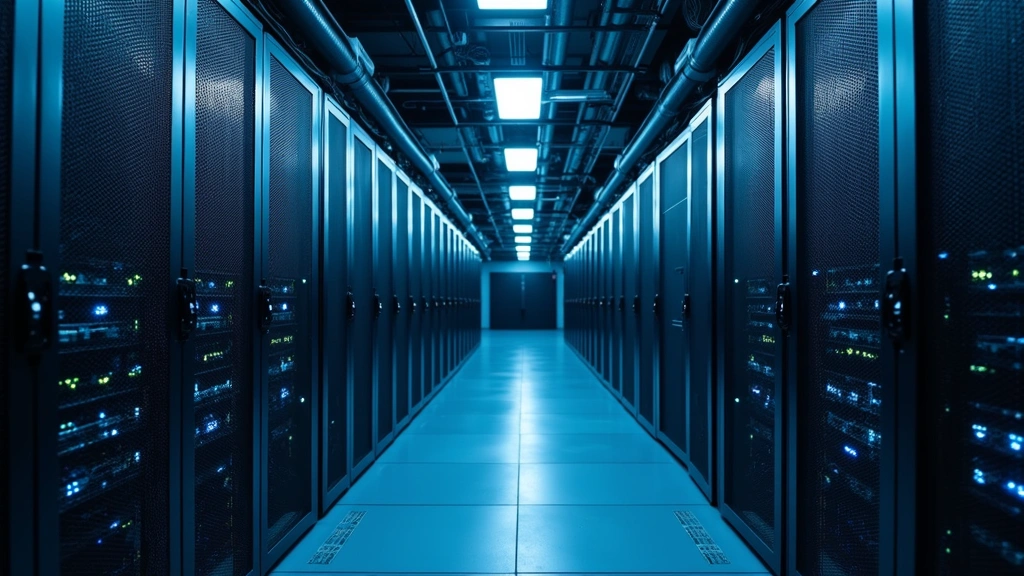
The university’s IT department manages thousands of networked devices across campus, maintaining systems that support everything from administrative functions to cutting-edge research applications. Texas Tech has invested in redundant network architecture to ensure reliability, with multiple connection points and failover systems protecting critical academic operations. The infrastructure includes modern data centers equipped with climate control, power redundancy, and security systems that meet industry standards for institutional computing environments.
One notable aspect of Texas Tech’s infrastructure strategy involves partnering with leading technology vendors. The university maintains relationships with major manufacturers including Dell for enterprise computing solutions and utilizes Microsoft technologies extensively throughout campus systems. These partnerships provide institutional pricing advantages and ensure access to current software versions and security updates.
Computing Resources and Student Devices
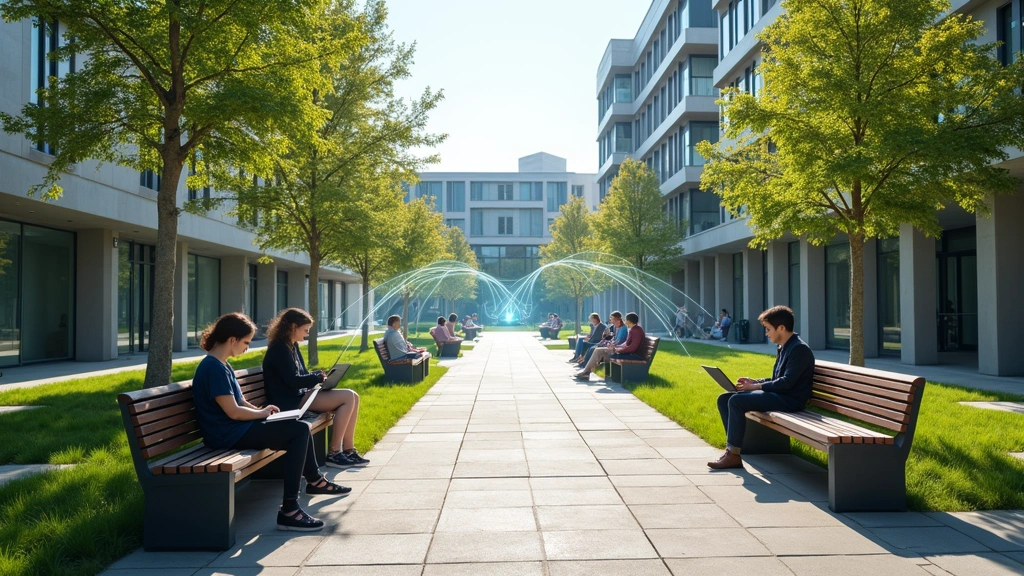
Students at Texas Tech have access to an extensive network of computer labs distributed across campus, supplementing personal device usage. The university operates multiple technology commons in library facilities and academic buildings, offering high-performance workstations capable of running demanding applications for engineering, design, and scientific computing coursework. These shared resources feature current-generation processors, substantial RAM configurations, and professional-grade graphics capabilities suitable for CAD work, video editing, and data analysis.
The institution encourages students to bring their own devices while maintaining robust BYOD (Bring Your Own Device) policies and support infrastructure. Texas Tech’s best laptops for students recommendations align with university computing requirements, particularly for engineering and computer science programs that demand powerful processing capabilities. The university provides information on device specifications and compatibility, helping students make informed purchasing decisions that meet coursework demands.
For students interested in system optimization, Texas Tech’s IT support team offers guidance on device performance, including resources on how to upgrade laptop memory for improved multitasking and application performance. This educational approach empowers students to maintain and enhance their computing devices independently, developing technical literacy alongside academic knowledge.
Texas Tech also maintains partnerships with technology vendors to offer student discount programs on laptops, tablets, and software licenses. These initiatives make cutting-edge devices more accessible to the student population, facilitating equitable access to technology across socioeconomic backgrounds. The university bookstore carries certified refurbished equipment alongside new products, providing budget-conscious alternatives without sacrificing performance.
Lecture Hall and Classroom Technology
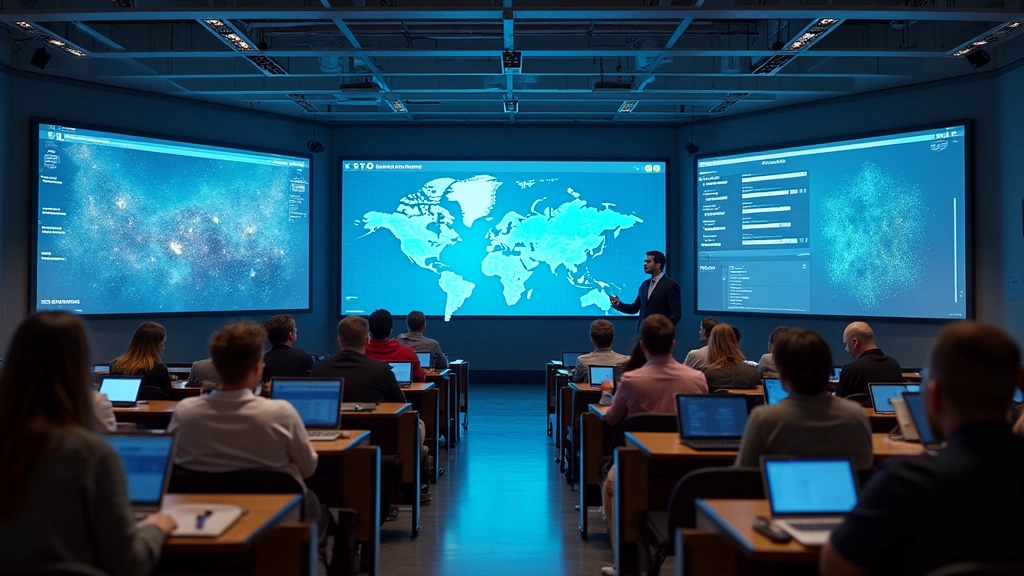
Modern lecture halls at Texas Tech represent significant investments in educational technology infrastructure. The institution has equipped major teaching spaces with 4K projection systems, interactive display panels, and sophisticated audio-visual integration that enhances instructional delivery. These systems typically feature:
- Ultra-high-definition projectors with brightness ratings exceeding 20,000 lumens for visibility in large auditorium settings
- Interactive touchscreen displays enabling real-time annotation and student engagement features
- Integrated microphone systems with directional audio pickup and wireless transmission capabilities
- Lecture capture technology recording video and audio for asynchronous student access
- Document cameras enabling visualization of physical materials and demonstrations
- Network-connected control systems managing all audiovisual components from centralized interfaces
The standardization of classroom technology across Texas Tech creates consistency in student experience and simplifies instructor training. Faculty members receive professional development on leveraging these systems effectively, ensuring technology enhances rather than distracts from educational content. The university has invested in intuitive control interfaces that require minimal technical expertise to operate, reducing barriers to technology adoption among faculty across disciplines.
Comparison with peer institutions reveals Texas Tech’s classroom technology generally aligns with contemporary standards. Arizona State University, often cited as a technology-forward institution, operates similar lecture hall configurations with comparable display systems and integration capabilities. Both institutions have prioritized accessibility features, ensuring classroom technology accommodates students with disabilities through closed captioning, audio description, and alternative input methods.
Research Laboratory Equipment
Texas Tech’s research mission demands advanced laboratory instrumentation and specialized computing resources. The university operates research centers equipped with sophisticated equipment supporting investigations in engineering, agriculture, atmospheric sciences, and biotechnology. These facilities feature:
- High-performance computing clusters processing complex simulations and data analysis
- Specialized microscopy equipment including electron microscopes with nanometer-scale resolution
- Environmental chambers maintaining precise temperature, humidity, and atmospheric conditions for controlled experiments
- Mass spectrometry systems for chemical composition analysis
- DNA sequencing platforms enabling genomic research
- Advanced materials testing equipment evaluating mechanical and thermal properties
The Texas Tech High Performance Computing Center provides researchers with access to powerful computational resources without requiring individual laboratory investment. This shared infrastructure model enables faculty across departments to pursue computationally intensive research projects. The facility maintains partnerships with national high-performance computing networks, providing supplementary access to even more powerful systems for particularly demanding applications.
Graduate students and postdoctoral researchers at Texas Tech benefit from exposure to current-generation research instrumentation, developing technical skills applicable throughout their scientific careers. The university invests consistently in equipment upgrades, recognizing that research competitiveness depends on access to contemporary tools and methodologies. This commitment distinguishes Texas Tech as a serious research institution despite its location in a smaller metropolitan area.
Network and Connectivity Systems
Reliable, high-speed network connectivity represents the foundation of modern university operations. Texas Tech has deployed enterprise-grade networking infrastructure supporting wireless access throughout campus via 802.11ax (Wi-Fi 6) technology. This modern wireless standard provides substantially improved performance compared to older protocols, enabling simultaneous connections from thousands of devices without degradation.
The university’s wired network infrastructure relies on multi-gigabit ethernet connections in academic buildings, with fiber optic backhaul connecting major network nodes. This architecture supports data-intensive applications including video conferencing, cloud-based collaboration tools, and streaming video content. Network redundancy ensures service continuity if primary connections experience failures, critical for maintaining academic operations during emergencies.
Security represents a significant focus of Texas Tech’s network management strategy. The institution implements enterprise-grade firewalls, intrusion detection systems, and content filtering protecting institutional and student data. Network segmentation isolates sensitive research data and administrative systems from general-use networks, reducing exposure to unauthorized access. Regular security audits and vulnerability assessments identify potential weaknesses before they can be exploited.
The technology and artificial intelligence transforming our future discussion increasingly includes network security and data protection as critical infrastructure components. Texas Tech recognizes these implications and invests accordingly in cybersecurity measures protecting institutional and personal information across campus systems.
Comparison with Arizona State University
Arizona State University represents a natural comparison point for Texas Tech’s technology infrastructure. ASU, located in the Phoenix metropolitan area with over 70,000 students, operates multiple campuses with distinct technology strategies. Both institutions serve large student populations with significant research missions, though ASU’s location in a major metropolitan technology hub provides certain advantages.
ASU has gained recognition for its innovative approach to educational technology, including early adoption of online learning platforms and adaptive learning systems. The institution pioneered many distance education approaches now widely adopted across higher education. ASU’s partnership with technology companies and location near major tech employers facilitates collaboration on cutting-edge projects and provides internship opportunities for students.
Texas Tech’s technology strategy emphasizes comprehensive campus infrastructure rather than pioneering new educational models. The institution has made deliberate investments in standardized systems providing consistent student experience across all academic departments. This approach prioritizes reliability and accessibility over experimentation, reflecting different institutional priorities.
Network infrastructure comparisons reveal both institutions maintain competitive systems. ASU operates multiple data centers across its campuses, while Texas Tech maintains centralized infrastructure on its main Lubbock campus. Both institutions provide comparable wireless coverage and wired connectivity speeds. The key differentiator lies in scale: ASU’s larger student population requires more distributed systems, while Texas Tech’s single-campus model enables more centralized management.
Research computing resources at both institutions rank among the nation’s most capable. Texas Tech’s High Performance Computing Center compares favorably with ASU’s computing clusters in raw processing power. Both universities maintain memberships in national research computing networks providing access to supercomputing resources exceeding what either institution maintains independently.
Student Tech Support and Resources
The quality of technology support significantly impacts student experience with campus systems. Texas Tech maintains a dedicated IT Help Desk providing phone, email, and chat support for technology-related issues. The support team handles account access problems, software installation assistance, network connectivity troubleshooting, and hardware repair coordination. Response times generally fall within industry standards for higher education institutions, with critical issues receiving priority attention.
The university offers comprehensive resources for technology skill development through the how to learn coding fast perspective. Student technology workshops cover topics including spreadsheet functions, presentation software, basic programming, and digital literacy skills. These educational offerings complement formal coursework and help students develop practical technical competencies.
Texas Tech’s Tech Pulse Hunter Blog style approach to technology education emphasizes accessible, practical information helping students maximize their use of available technology. The university recognizes that technology literacy extends beyond formal IT training to include understanding best practices for productivity, security, and device management.
The institution provides technology loan programs enabling students to access devices temporarily when personal equipment fails or for projects requiring specialized hardware. This support system reduces barriers to academic success for students experiencing financial constraints or equipment failures during critical periods. The availability of loaner devices demonstrates institutional commitment to equitable technology access.
Future Technology Roadmap
Texas Tech’s strategic plans indicate continued investment in educational technology infrastructure over the coming years. The university has announced initiatives to expand wireless coverage in outdoor campus areas, upgrade classroom technology in older academic buildings, and modernize laboratory equipment in research facilities. These projects reflect recognition that technology infrastructure requires continuous investment to maintain competitive positioning.
Emerging technologies receiving institutional attention include artificial intelligence applications for personalized learning, augmented reality tools for scientific visualization, and cloud computing benefits for businesses and educational institutions. Texas Tech is exploring how these technologies can enhance educational delivery and research capabilities without losing sight of fundamental pedagogical principles.
The university has committed to sustainability in technology procurement and operations, including energy-efficient data center upgrades and responsible electronics recycling programs. This environmental consciousness reflects broader institutional values and positions Texas Tech favorably among increasingly environmentally conscious students and employers.
Looking forward, Texas Tech’s technology trajectory appears solid rather than revolutionary. The institution is unlikely to pioneer transformative new educational approaches but will continue maintaining current infrastructure at contemporary standards. This measured approach provides stability for students and faculty while ensuring access to tools necessary for competitive academic and research work.
FAQ
How does Texas Tech’s technology compare to Arizona State University?
Both institutions maintain competitive technology infrastructure appropriate for their respective sizes and missions. ASU benefits from its metropolitan location and larger overall student population, while Texas Tech operates a more tightly integrated single-campus system. Research computing resources rank comparably at both institutions, though ASU operates more distributed systems across multiple campuses. Classroom technology and student support services at both schools align with contemporary higher education standards.
What computing devices do Texas Tech students typically use?
Texas Tech students use a mix of personal laptops, tablets, and smartphones supplemented by university-provided computer lab resources. Engineering and computer science students typically require more powerful machines, while humanities students can succeed with less demanding hardware. The university provides guidance on minimum specifications and offers discount programs through technology vendors to make devices more affordable.
Can students upgrade their devices at Texas Tech?
Yes, Texas Tech’s IT support team provides information on device upgrades including memory installation and storage expansion. The university offers workshops on basic hardware maintenance and provides resources on how to upgrade laptop memory for improved performance. For major repairs or replacements, the university bookstore carries new and refurbished equipment with institutional pricing discounts.
How reliable is Texas Tech’s campus network?
Texas Tech’s network infrastructure includes redundancy and failover systems designed to maintain service during component failures. The institution monitors network performance continuously and maintains service level agreements targeting 99.5% uptime for critical systems. Occasional outages occur, as with any large network, but the university has invested substantially in reliability and recovery systems.
What research computing resources does Texas Tech provide?
Texas Tech operates the High Performance Computing Center providing researchers with access to powerful computing clusters. The facility supports computationally intensive applications in engineering, atmospheric sciences, and other research disciplines. Graduate students and faculty can leverage these shared resources without individual laboratory investment, supplemented by access to national computing networks for particularly demanding projects.
Are there technology differences between Texas Tech and Arizona State?
While both institutions maintain competitive technology infrastructure, operational approaches differ. ASU operates more distributed systems across multiple campuses, while Texas Tech maintains centralized infrastructure on its main campus. ASU has pioneered more innovative educational technology approaches, while Texas Tech emphasizes infrastructure stability and reliability. Both institutions provide comparable student support and access to modern equipment.


