
City Tech Radiology: Are Degrees Worth It? Expert Insights on Career Value and ROI
The radiology field stands at a fascinating crossroads between traditional medical education and cutting-edge diagnostic technology. City Tech’s radiology programs have gained considerable attention from prospective students wondering whether investing time and money into specialized imaging credentials truly pays off. This comprehensive analysis examines the real-world value proposition of City Tech radiology degrees, exploring career outcomes, salary expectations, and the evolving landscape of medical imaging technology.
Modern radiology demands more than clinical knowledge—it requires proficiency with advanced imaging systems, artificial intelligence integration, and digital workflow management. As healthcare facilities increasingly adopt sophisticated diagnostic equipment, the question isn’t just whether radiology degrees are worth pursuing, but specifically whether City Tech’s curriculum prepares graduates for today’s technology-driven medical environment. Our expert review dissects this question thoroughly, providing data-driven insights for career-focused individuals.
City Tech Radiology Program Overview
City College of Technology’s radiology program represents one of New York’s premier medical imaging education pathways. The curriculum spans typically two to four years depending on whether students pursue associate or bachelor-level credentials. The program emphasizes hands-on clinical experience combined with theoretical knowledge of radiographic principles, anatomy, and patient safety protocols.
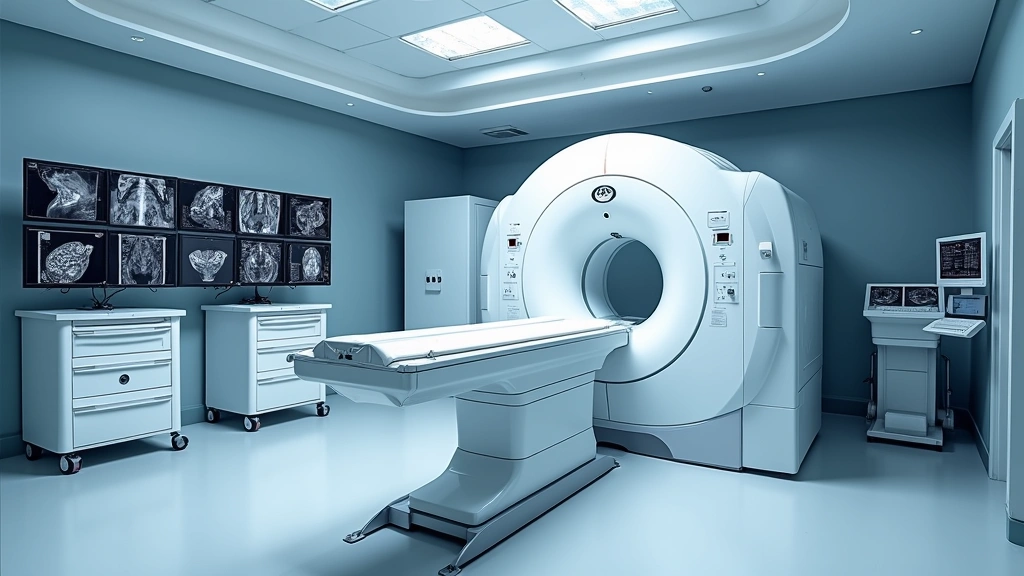
The core curriculum includes foundational coursework in radiographic physics, positioning techniques, patient care, and medical ethics. Students gain practical experience through clinical rotations at affiliated hospitals and imaging centers throughout New York City. This proximity to major medical institutions means students work with state-of-the-art equipment including digital radiography systems, computed tomography scanners, and magnetic resonance imaging machines. The integration of artificial intelligence applications into diagnostic workflows represents an increasingly important component of modern radiology training.
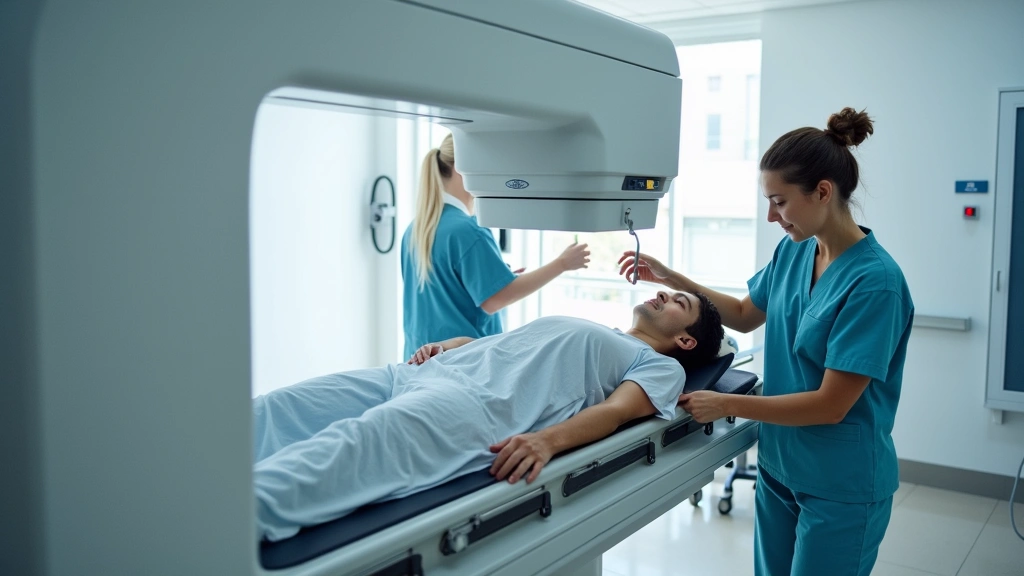
City Tech’s location provides unmatched advantages for clinical placements. Students rotate through facilities ranging from community hospitals to specialized imaging centers, gaining exposure to diverse patient populations and pathologies. This real-world experience distinguishes the program from purely theoretical alternatives.
Career Outcomes and Job Market Reality
The job market for radiologic technologists remains exceptionally strong. According to the Bureau of Labor Statistics, radiologic technologist positions are projected to grow steadily through 2032, with demand consistently exceeding supply in most metropolitan areas. City Tech graduates benefit from this favorable market dynamics, particularly in the New York region where major medical institutions continuously recruit qualified professionals.
Placement rates for City Tech radiology graduates typically exceed 85% within six months of graduation. Many students secure positions before completing their final clinical rotations, indicating strong employer confidence in the program’s quality. Graduates work across diverse settings including hospitals, diagnostic imaging centers, outpatient clinics, and specialty practices.
The career trajectory for radiologic technologists has expanded significantly. Entry-level positions as radiologic technologists provide the foundation, but many graduates pursue advanced technical certifications in specialized imaging modalities. Sonography, nuclear medicine, and CT specializations command premium salaries and offer career diversification. Some technologists transition into sales roles for imaging equipment manufacturers, leveraging their technical expertise for higher compensation.
Supervisory and management positions represent another career progression pathway. Experienced radiologic technologists often advance to department management, quality assurance roles, or clinical instructor positions. These roles typically require additional certifications and experience but offer salary increases and expanded responsibilities.
Salary Analysis and Financial ROI
Understanding the financial return on investment requires examining both initial program costs and career earnings potential. City Tech’s radiology program costs approximately $5,000-$8,000 annually for New York residents (in-state tuition), with total program costs ranging from $15,000-$20,000 for a two-year associate degree. This represents a significant but manageable investment compared to four-year university programs.
Entry-level radiologic technologists in New York earn median salaries around $65,000-$72,000 annually. After five years of experience, technologists typically earn $75,000-$85,000. Specialized certifications in advanced modalities (CT, MRI, sonography) increase earning potential to $85,000-$100,000+. These figures substantially exceed typical associate degree holder earnings in other fields.
The ROI calculation demonstrates strong value. With a $17,500 average program cost and entry-level salaries exceeding $65,000, graduates recoup their investment within approximately 3-4 months of full-time employment. Over a 40-year career, the financial advantage of completing City Tech’s radiology program versus alternative career paths becomes substantial. When factoring in benefits packages (health insurance, retirement contributions, continuing education support), total compensation packages often reach $80,000-$90,000 for entry-level positions.
Loan forgiveness programs and employer tuition assistance further improve the financial equation. Many healthcare facilities offer signing bonuses ($3,000-$5,000) and tuition reimbursement for continued education. These incentives effectively reduce the true cost of the degree while encouraging professional development.
Technology Integration in Curriculum
Modern radiology education demands comprehensive technology literacy. City Tech’s program incorporates digital radiography systems, picture archiving and communication systems (PACS), and electronic health records (EHR) platforms throughout the curriculum. Students graduate with practical experience using the exact systems they’ll encounter in professional practice.
The curriculum increasingly addresses artificial intelligence and machine learning applications in diagnostic imaging. Students learn how AI algorithms assist radiologists in detecting abnormalities, improving diagnostic accuracy, and streamlining workflow efficiency. Understanding these technologies positions graduates as valuable assets in forward-thinking healthcare organizations. This technological foundation aligns with cloud computing benefits for healthcare businesses, where imaging data increasingly moves to cloud-based storage and analysis platforms.
Practical training with mobile radiography units, ultrasound systems, and fluoroscopy equipment ensures graduates possess multi-modality competency. This versatility increases employability and earning potential significantly. Many employers prefer technologists capable of operating multiple imaging systems, allowing flexible scheduling and expanded responsibilities.
Digital literacy extends beyond equipment operation. Students develop proficiency with imaging software, database management, and radiation safety monitoring systems. The program emphasizes cybersecurity awareness, recognizing that protected health information security represents a critical responsibility in modern healthcare environments.
Admission Requirements and Prerequisites
City Tech’s radiology program maintains competitive but achievable admission standards. Prospective students require a high school diploma or GED, with strong performance in science and mathematics courses preferred. Most applicants possess at least a 2.5 GPA, though competitive applicants typically exceed 3.0.
Prerequisite coursework typically includes high school biology, chemistry, and algebra. Some applicants complete college-level prerequisites at community colleges before applying. This flexibility allows non-traditional students to strengthen their academic foundation before program enrollment.
The application process involves submitting transcripts, completing a brief essay describing career motivations, and potentially participating in an interview. Unlike highly selective programs, City Tech’s radiology admissions prioritize commitment and capability over pure academic metrics. This accessibility democratizes entry into a lucrative healthcare profession, particularly benefiting first-generation college students and non-traditional learners.
Physical requirements include the ability to lift patients (up to 50 pounds), stand for extended periods, and work in varied physical environments. Students must obtain medical clearance and pass background checks, as healthcare positions require clean criminal records and health screening.
Comparison with Other Institutions
Evaluating City Tech against peer institutions reveals distinct advantages. SUNY programs across New York offer similar curricula, but City Tech’s location provides superior clinical placement opportunities. Manhattan’s concentration of major medical centers—New York-Presbyterian, Mount Sinai, NYU Langone—creates unmatched clinical rotation options.
Private institutions like St. John’s University and Mercy College offer radiology programs with higher tuition costs ($25,000-$35,000 annually) but similar career outcomes. The cost differential rarely justifies private institution attendance unless specific program specializations align with career goals. City Tech’s affordability advantage compounds significantly over a career, particularly for graduates managing student debt.
Community colleges throughout the region offer radiology programs, but City Tech’s four-year bachelor’s degree option differentiates it from purely associate-degree institutions. Bachelor’s graduates command slightly higher starting salaries and possess additional career advancement opportunities. This progression pathway represents valuable long-term career insurance.
Online radiology programs have proliferated, but accreditation concerns and limited clinical experience opportunities make them questionable alternatives. The American Society of Radiologic Technologists emphasizes hands-on clinical training, which online-only programs cannot adequately provide. City Tech’s hybrid approach—combining online coursework with intensive clinical rotations—represents best practices in medical imaging education.
Real Student Experiences and Reviews
Current and former City Tech radiology students consistently praise the program’s practical orientation and industry-experienced faculty. Anonymous student reviews highlight the quality of clinical instruction and real-world relevance of classroom material. Students appreciate instructors who maintain active clinical practice, bringing current industry knowledge to educational settings.
The clinical rotation experience receives particularly positive feedback. Students describe meaningful patient interactions, exposure to diverse pathologies, and supportive mentorship from precepting technologists. This apprenticeship model—learning directly from experienced professionals—builds confidence and competence more effectively than purely academic instruction.
Challenges mentioned by some students include the demanding schedule during clinical rotations and the intensity of the final year coursework. Several students note the importance of strong time management and organizational skills. However, these challenges are perceived as valuable preparation for professional practice rather than program weaknesses.
Alumni testimonials emphasize the program’s career launching capability. Graduates consistently report successful job placement, with many describing their City Tech education as the decisive factor in competitive hiring processes. Employers specifically value City Tech graduates’ technical proficiency and clinical readiness.
Future Trends in Medical Imaging
The radiology field continues evolving rapidly, with several trends shaping educational requirements. Advanced imaging modalities—particularly 3D imaging, molecular imaging, and interventional techniques—increasingly appear in clinical practice. Progressive programs like City Tech incorporate these emerging technologies into curricula, ensuring graduate readiness.
Artificial intelligence integration represents perhaps the most significant trend. Machine learning algorithms now assist in detecting cancers, cardiovascular disease, and neurological conditions. Radiologic technologists must understand AI capabilities and limitations, knowing when to trust algorithmic recommendations and when human judgment supersedes automation. This technological sophistication demands rigorous education in data science fundamentals alongside traditional radiography.
Teleradiology—remote image interpretation and consultation—has expanded dramatically, particularly post-pandemic. Technologists increasingly work in hybrid models where images are captured locally but interpreted by specialists anywhere globally. This trend creates opportunities for technologists in underserved areas while maintaining quality standards through specialist oversight. Understanding technology innovations across healthcare sectors provides context for broader industry transformation affecting imaging departments.
Radiation dose reduction through advanced imaging protocols and equipment represents another critical trend. Technologists must master dose optimization techniques, balancing image quality against patient safety. This sophisticated understanding requires stronger physics and technology foundations than traditional programs provided. City Tech’s curriculum increasingly emphasizes these critical concepts.
Personalized medicine applications in imaging—using patient genetics and biomarkers to tailor imaging protocols—represent emerging frontiers. While currently specialized, these techniques will eventually become routine. Forward-thinking programs prepare students for this evolution.
The integration of imaging with genomics and precision medicine platforms creates opportunities for technologists to contribute to research and development. Some graduates transition into technical support roles for research institutions, supporting clinical trials and innovative imaging applications. These positions often command premium compensation and provide intellectual stimulation beyond routine clinical work.
Workforce demand projections remain exceptionally positive. The aging population, increasing disease prevalence, and expanded imaging utilization in preventive medicine all drive continued demand for qualified radiologic technologists. Unlike some healthcare professions facing oversupply, radiology technologist positions remain in consistent shortage across most regions.
Career longevity represents another advantage. Radiologic technologists can work productively into their late 60s, with many transitioning to part-time roles or specialized positions as physical demands ease. This extended career span increases lifetime earnings potential compared to more physically demanding healthcare roles.
FAQ
How long does City Tech’s radiology program take to complete?
City Tech offers both associate degree programs (typically 2 years) and bachelor’s degree programs (4 years). The associate degree provides entry into the profession, while the bachelor’s degree offers enhanced career advancement opportunities. Most students can complete the associate degree while working part-time, though full-time study is recommended for optimal learning outcomes.
What is the passing rate for the ARRT certification exam for City Tech graduates?
City Tech graduates consistently achieve ARRT (American Registry of Radiologic Technologists) certification pass rates exceeding 90%, comparing favorably against national averages near 70%. This strong performance reflects program quality and graduate preparedness. Most graduates pass the certification exam on their first attempt.
Can I work while attending City Tech’s radiology program?
Many students work part-time during the associate degree program, particularly during the first year. However, clinical rotations during the second year typically require full-time commitment. Part-time employment (10-15 hours weekly) remains feasible for organized students, but full-time work alongside the program is generally not recommended.
What specializations can I pursue after completing City Tech’s radiology program?
After gaining experience as a radiologic technologist, graduates can pursue specializations including CT (computed tomography), MRI (magnetic resonance imaging), sonography, nuclear medicine, and mammography. Each specialization requires additional certification through the ARRT or specialized credentialing bodies. These specializations typically increase earning potential by $10,000-$20,000 annually.
Are there financial aid options available for City Tech radiology students?
Yes, City Tech participates in federal student aid programs including Pell Grants, Stafford Loans, and work-study positions. New York State residents may qualify for Tuition Assistance Program (TAP) grants. The TechPulseHunter Blog provides additional resources on education financing strategies. Additionally, many healthcare employers offer tuition reimbursement for employees pursuing radiologic technology certifications.
What is the job outlook for radiology technologists in New York?
The job outlook remains exceptionally strong. New York State projects consistent growth in radiologic technologist positions, with demand particularly high in New York City’s major medical centers. Experienced technologists with specialized certifications face virtually no competition for available positions.
How does City Tech’s program compare to online radiology programs?
Online programs cannot adequately replicate the clinical experience essential to radiologic technology education. City Tech’s hybrid model—combining online coursework with intensive in-person clinical rotations—represents best practices. Employers consistently prefer graduates from programs emphasizing hands-on clinical training.
Can international students attend City Tech’s radiology program?
International students can apply to City Tech’s radiology program, though visa sponsorship processes vary. International students should consult with City Tech’s admissions office regarding specific requirements. Upon graduation, international graduates must navigate licensing and credential recognition requirements specific to their home countries.


