City Tech Registrar: Navigating Enrollment Simplified
The City Tech Registrar system represents a modern approach to academic administration, streamlining enrollment processes that traditionally required endless paperwork and in-person visits. Whether you’re a new student beginning your academic journey or a returning scholar managing course selections, understanding how to navigate this digital platform efficiently can save you significant time and frustration. This comprehensive guide walks you through every aspect of the City Tech Registrar, from account setup to advanced enrollment strategies.
As educational institutions increasingly adopt comprehensive digital solutions, the registrar’s office has evolved from a physical location where students waited in long queues to a sophisticated online ecosystem. The City Tech Registrar exemplifies this transformation, offering intuitive interfaces and automated processes that accommodate thousands of simultaneous users. By mastering this system, you’ll gain access to real-time enrollment data, course availability, and academic records whenever you need them.
Understanding the City Tech Registrar Platform
The City Tech Registrar serves as the central hub for all academic administrative functions at the institution. This comprehensive platform integrates student information systems, course catalogs, enrollment tools, and transcript management into a unified digital environment. The system operates on cloud-based infrastructure, ensuring accessibility from any device with internet connectivity, whether you’re on campus or managing your enrollment remotely.
The platform’s architecture prioritizes user experience, recognizing that students often access the registrar during critical enrollment windows when system reliability becomes paramount. Built with redundancy and load-balancing technology, the City Tech Registrar maintains consistent performance even during peak registration periods when thousands of students simultaneously attempt to secure course spots. This technical foundation means you can trust the system to be available when you need it most.
Understanding the registrar’s organizational structure helps you locate specific services quickly. The system divides functionality into logical sections: enrollment services, records management, degree audits, transcript requests, and financial holds information. Each section provides specialized tools designed for particular academic tasks, reducing complexity while maintaining comprehensive functionality.

Account Setup and Initial Access
Your first interaction with the City Tech Registrar begins with account activation. Upon enrollment, the institution sends login credentials to your student email address. These credentials provide access to your student portal, where you’ll establish your registrar account. The setup process typically requires verifying your identity through security questions and establishing a secure password meeting modern encryption standards.
When creating your account password, employ best practices by combining uppercase letters, lowercase letters, numbers, and special characters. This security measure protects your academic records from unauthorized access—information that includes grades, enrollment history, and personally identifiable data. The registrar system implements multi-factor authentication options, adding an additional security layer by requiring verification through your registered phone number or email address during login.
Two-factor authentication represents a significant security enhancement available through the City Tech Registrar. Once enabled, this feature requires you to enter a code sent to your phone or email after entering your password. While this adds a brief step to the login process, it substantially reduces the risk of unauthorized account access. Many students enable two-factor authentication during initial setup, protecting their accounts from the moment they first access the system.
After account activation, spend time exploring the user interface layout. The dashboard typically displays your current enrollment status, upcoming registration windows, important deadlines, and any holds preventing registration. Familiarizing yourself with this layout before registration periods begin ensures you can navigate efficiently when time-sensitive decisions require quick action.
Navigating the Enrollment Dashboard
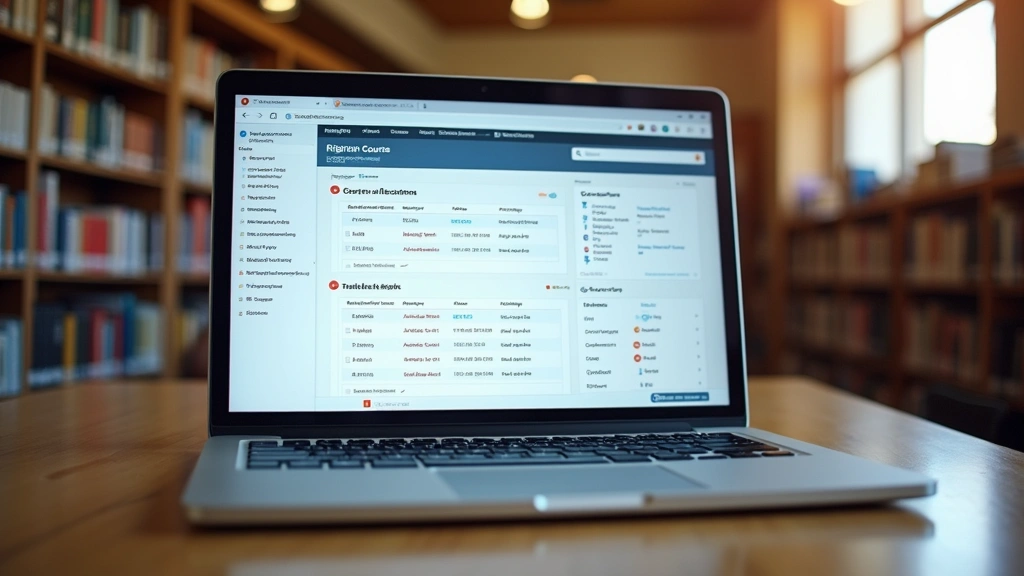
The enrollment dashboard serves as your command center within the City Tech Registrar system. This personalized view displays information specific to your academic standing, including completed semesters, current enrollment, and upcoming registration opportunities. The dashboard organizes information chronologically, with the most immediately relevant deadlines and actions appearing prominently at the top of the page.
Key dashboard elements include your academic calendar, which displays important dates such as registration opening times, add/drop deadlines, and semester start dates. Color-coded indicators help distinguish between different deadline types: registration windows appear in one color, while financial deadlines use another. This visual organization allows you to quickly identify what actions require immediate attention without reading extensive text.
Your degree audit appears prominently on the dashboard, showing progress toward degree completion. This tool displays completed requirements, remaining courses needed, and how your current enrollment contributes toward your degree plan. If you’re considering major changes, the degree audit helps you understand how course selections impact your graduation timeline. Many students consult this tool when planning their semester schedule, ensuring their course selections align with degree requirements.
The notifications section of your dashboard aggregates important messages from the registrar, academic advisors, and financial aid offices. These notifications alert you to registration holds, missing documentation, or changes to academic policies. Setting notification preferences allows you to choose your preferred communication method—email, text message, or in-system notifications—ensuring you receive critical information through channels you monitor regularly.
Course Selection and Registration Process
The course registration process within City Tech Registrar follows a structured sequence designed to accommodate all students fairly. Registration typically opens during designated windows based on class standing, with seniors registering first, followed by juniors, sophomores, and freshmen. This staggered approach helps distribute course demand across the registration period, preventing system overload while ensuring equitable access to popular courses.
Before registration opens, review the course catalog thoroughly. The City Tech Registrar provides detailed course descriptions, prerequisites, meeting times, instructor information, and enrollment capacity. Use the search and filter functions to identify courses matching your interests and requirements. Many students create a preliminary course list weeks before their registration window opens, allowing time for careful consideration and adjustment.
When your registration window opens, log into the City Tech Registrar and navigate to the course search section. Select your desired semester and enter search criteria—subject codes, course numbers, or keywords. The system displays results with complete course information, including the number of available seats. This real-time availability data helps you understand whether you can immediately register for a course or should add it to a waitlist.
Adding courses to your schedule involves selecting the desired section and confirming enrollment. The system validates that you meet prerequisites and that your schedule doesn’t contain time conflicts. If conflicts exist, the registrar alerts you before finalizing enrollment, preventing accidental double-booking of time slots. Once confirmed, courses appear on your schedule immediately, and you receive email confirmation of successful registration.
Waitlists represent an important tool when preferred courses reach capacity. Adding yourself to a waitlist positions you in a queue for potential enrollment if another student drops the course. The City Tech Registrar automatically enrolls you if a seat becomes available and you maintain sufficient priority on the waitlist. You can monitor your waitlist position through the system, checking whether movement occurs as other students make changes to their schedules.
Managing Your Academic Records
Academic records within the City Tech Registrar encompass your complete educational history at the institution. These records include enrollment data, grades, credits earned, academic standing status, and degree conferral information. The system maintains permanent records in compliance with educational data standards and institutional policies, creating an authoritative source for your academic history.
Your transcript represents the official record of your academic work. The City Tech Registrar allows you to request official transcripts for external use—transferring to other institutions, applying for employment, or submitting graduate school applications. The system offers both digital and physical transcript options, with digital transcripts delivered securely via email and physical copies mailed to addresses you specify. Rush processing options accommodate time-sensitive requests.
Grade access through the City Tech Registrar typically becomes available shortly after instructors submit final grades. The system displays grades organized by semester, showing individual course grades, grade points, and your cumulative GPA. Understanding how the registrar calculates GPA helps you comprehend your academic standing. Most systems calculate GPA on a 4.0 scale, with some institutions using different scales or weighting systems.
Academic standing indicators within the system show whether you’re in good standing or subject to academic probation. Students failing to maintain minimum GPA requirements receive notifications through the City Tech Registrar, along with information about probation conditions and requirements for reinstatement. Understanding these standards helps you make informed decisions about course loads and study time investment.
The degree audit feature within the registrar provides detailed analysis of your progress toward degree completion. This tool lists all degree requirements, indicates which requirements you’ve satisfied through completed coursework, and identifies remaining requirements. If your major allows elective courses, the audit shows how many electives you’ve completed and how many remain. This transparency helps you plan future semesters strategically.
Troubleshooting Common Issues
Despite robust system design, students occasionally encounter issues when using the City Tech Registrar. Understanding common problems and their solutions helps you resolve issues quickly without requiring extended support interactions. The most frequently reported issue involves registration holds—administrative blocks preventing enrollment until specific requirements are met.
Registration holds originate from several sources: unpaid tuition balances, missing financial aid documentation, incomplete immunization records, or outstanding library fines. The City Tech Registrar clearly displays all active holds on your dashboard, specifying the hold reason and the office responsible for removal. Contacting the appropriate office to resolve the underlying issue results in prompt hold removal, restoring your registration eligibility.
Password reset requests represent another common registrar interaction. If you forget your password or suspect unauthorized access, the City Tech Registrar provides self-service password reset functionality. This process typically requires answering security questions established during account setup or verifying your identity through email. After successful verification, you can establish a new password immediately, regaining system access within minutes.
Schedule conflicts occasionally occur when students attempt to register for courses with overlapping meeting times. The City Tech Registrar prevents registration when conflicts exist, displaying an error message specifying the conflicting courses. Resolving this issue requires modifying your course selections, either dropping one conflicting course or selecting a different section meeting at an alternate time.
Waitlist issues sometimes arise when students believe they should have received automatic enrollment after a seat became available. The City Tech Registrar maintains detailed waitlist logs showing your position and enrollment priority. If you expected enrollment but didn’t receive it, contact the registrar’s office with your waitlist details. Staff can investigate whether technical issues prevented automatic enrollment or whether your waitlist position didn’t reach the enrollment threshold.
Advanced Features and Optimization
Beyond basic enrollment functions, the City Tech Registrar offers advanced features that sophisticated users leverage to optimize their academic experience. Understanding these capabilities helps you make strategic decisions about course selection and academic planning.
The course planning tool within the registrar allows you to build hypothetical schedules before committing to enrollment. This feature displays potential courses with meeting times, instructors, and enrollment capacity, allowing you to test various schedule combinations. You can save multiple schedule options, comparing them before your registration window opens. This planning approach ensures you’ve thoroughly considered your options before finalizing enrollment.
Prerequisite verification tools help you confirm eligibility for advanced courses. Rather than manually reviewing prerequisite requirements, the City Tech Registrar automatically checks your completed coursework against course prerequisites. This validation prevents registration errors and ensures you’re truly prepared for advanced material. When prerequisites haven’t been met, the system explains which requirements remain outstanding and suggests alternative courses you can take.
For students considering major changes, the City Tech Registrar provides degree audit comparisons. This feature shows how your completed coursework applies to different majors, helping you understand how a major change would affect your graduation timeline. Some completed courses count toward multiple majors, while others apply only to specific degree programs. This transparency supports informed major selection decisions.
The system also integrates with academic planning resources, connecting you with tools supporting student success. Many institutions embed links to tutoring services, academic coaching, and writing centers directly within the registrar interface. These integrated resources provide immediate access to support services without requiring separate system navigation.
For technology-focused students, understanding how the City Tech Registrar integrates with broader institutional systems provides valuable context. The registrar connects with financial aid systems to display scholarship information and aid eligibility. Integration with learning management systems allows instructors to access enrollment data, ensuring accurate course rosters. These backend connections create a seamless ecosystem supporting academic operations.
Students interested in exploring how technology transforms various sectors should review how artificial intelligence applications are transforming institutions. Many modern registrar systems employ AI to predict enrollment trends and optimize course scheduling, though the City Tech Registrar primarily focuses on user-facing functionality.
If you’re managing multiple devices or considering technology upgrades to better access the registrar, explore laptop memory upgrades that improve system responsiveness when managing complex academic planning tasks. Adequate system resources ensure smooth registrar navigation, particularly during intensive registration periods.
FAQ
When does registration open for the upcoming semester?
Registration windows vary by class standing. Check your City Tech Registrar dashboard for your specific registration date and time. Seniors typically register first, followed by other class standings in descending order. Mark your calendar for your registration window opening to secure preferred courses.
How do I remove a registration hold?
Identify the hold reason on your registrar dashboard. Contact the office responsible for the hold—typically the bursar for financial holds, admissions for documentation holds, or health services for immunization holds. Resolve the underlying issue, and the hold automatically removes within 24 hours.
Can I change my major through the City Tech Registrar?
Major changes typically require advising office approval rather than direct registrar processing. Contact your academic advisor, who submits the major change request through administrative channels. Once approved, your registrar account updates to reflect the new major, and your degree audit adjusts accordingly.
How long do transcript requests take to process?
Digital transcripts typically process within one business day, delivered securely to your specified email address. Physical transcripts require 5-7 business days for printing and mailing. Rush processing options available through the City Tech Registrar accelerate delivery times for urgent requests.
What should I do if I can’t log into the registrar?
First, attempt a password reset through the login page. If password reset fails or doesn’t resolve access issues, contact the IT help desk or registrar’s office. Provide your student ID number and explain the access problem. Support staff can verify your identity and restore system access.
Can I register for courses from previous semesters I didn’t complete?
The City Tech Registrar prevents re-enrollment in courses you’ve already completed with passing grades. If you want to retake a course for grade improvement, you may need advisor approval depending on institutional policy. Contact your academic advisor to discuss retake options and how they affect your academic record.


