Clos de la Tech: A Winemaker’s Gadgets Revealed
In the rolling vineyards of Napa Valley and Bordeaux, a quiet technological revolution is transforming how winemakers craft their finest vintages. The intersection of viticulture and cutting-edge technology has created what industry insiders call “Clos de la Tech”—a sophisticated ecosystem of gadgets, sensors, and digital tools that enable winemakers to monitor, analyze, and optimize every aspect of wine production. From soil composition analysis to fermentation temperature control, modern winemakers are leveraging advanced technology to achieve unprecedented precision and consistency in their craft.
What was once an art form passed down through generations is now enhanced by data science, artificial intelligence, and specialized hardware that provides real-time insights into vineyard health and wine development. This comprehensive guide explores the essential gadgets and technologies that contemporary winemakers depend on, examining how these tools integrate into traditional winemaking practices and why they’ve become indispensable for producers seeking to maintain quality while scaling production.
Soil and Vineyard Monitoring Systems
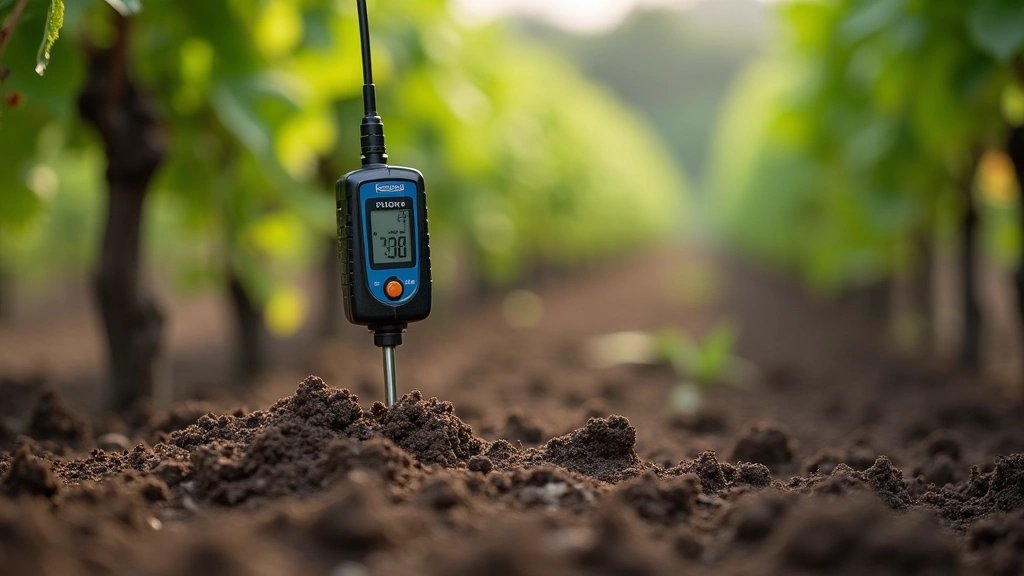
The foundation of exceptional wine begins in the soil, and modern winemakers now employ sophisticated soil monitoring gadgets to understand the precise conditions affecting their grapes. Advanced soil sensors measure moisture content, pH levels, nutrient composition, and temperature at multiple depths throughout the vineyard. These IoT-enabled devices transmit real-time data to central dashboards, allowing winemakers to make informed irrigation decisions without relying solely on intuition or traditional methods.
Multispectral imaging drones equipped with specialized cameras capture detailed vineyard data across different light wavelengths. This technology reveals variations in plant health, stress levels, and ripeness patterns that are invisible to the naked eye. By analyzing these images with machine learning algorithms, winemakers can identify specific areas requiring attention—whether that’s adjusting water distribution, addressing pest infestations, or timing harvest for optimal sugar accumulation.
Professional-grade soil analysis devices like the Soil Moisture Equipment Corp sensors provide laboratory-quality results in the field. These handheld and permanently installed units measure electrical conductivity, which correlates with nutrient availability and soil health. The data collected throughout the growing season helps winemakers understand how soil conditions influence grape quality and adjust their approach year after year.
GPS-guided variable rate irrigation systems represent another crucial advancement. These technologies map vineyard microzones and deliver precise water amounts to different sections based on soil capacity and plant needs. This approach reduces water waste while optimizing grape development, a critical consideration in regions facing water scarcity and for producers committed to sustainable viticulture.
Fermentation Control Technology
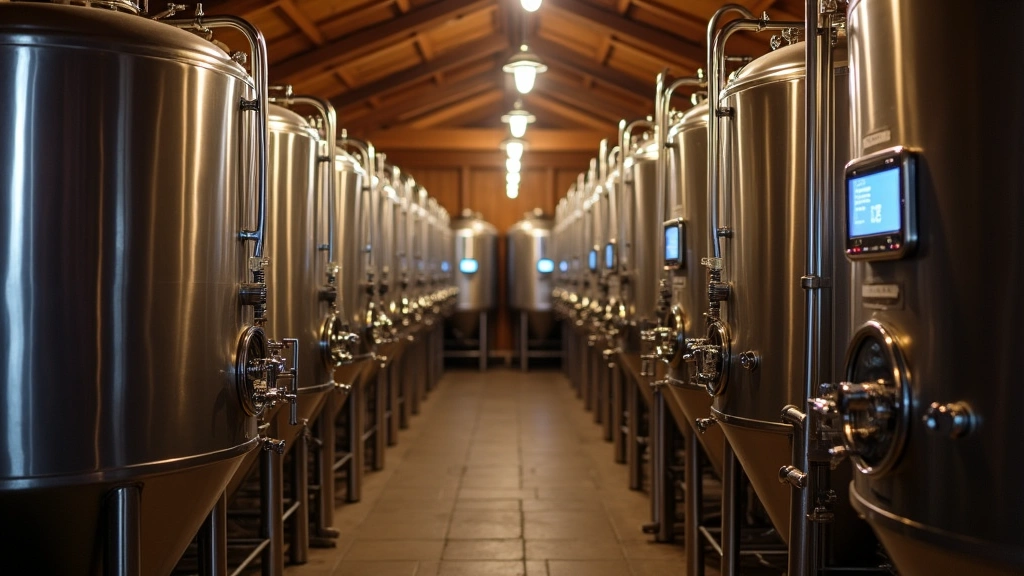
Fermentation represents one of winemaking’s most critical and unpredictable phases. Modern winemakers employ sophisticated temperature control systems that maintain precise conditions within fermentation vessels. Immersible temperature probes connected to automated cooling and heating systems ensure that yeast activity remains optimal, preventing spoilage while maximizing flavor development. These systems can manage single tanks or entire cellars containing hundreds of vessels simultaneously.
Real-time fermentation monitoring devices track specific gravity, pH, and temperature continuously throughout the process. The Oenoferm system represents the cutting edge of fermentation technology, providing winemakers with precise metrics that previously required manual sampling and laboratory analysis. By monitoring fermentation progress digitally, winemakers can detect problems early—such as stuck fermentations or contamination—and intervene before the batch is compromised.
Automated punch-down systems and pump-over equipment represent mechanical innovations that maintain consistent contact between grape solids and fermenting juice. These gadgets ensure even extraction of color, tannins, and flavor compounds while reducing labor requirements. Programmable systems allow winemakers to adjust frequency and intensity based on desired extraction levels, adapting to different grape varieties and vintage conditions.
CO2 monitoring devices are essential safety equipment in wineries, where fermentation produces significant quantities of this odorless, heavier-than-air gas. Wireless sensors positioned throughout fermentation areas alert staff to dangerous accumulations, protecting workers while ensuring proper ventilation during this critical production phase.
Data Analytics and Wine Management Software
The integration of artificial intelligence applications transforming the future has revolutionized how winemakers collect, analyze, and act upon production data. Comprehensive wine management software platforms consolidate information from vineyard sensors, fermentation monitors, laboratory tests, and inventory systems into unified dashboards. These platforms enable winemakers to track individual lots from harvest through bottling, maintaining complete traceability and quality documentation.
Predictive analytics tools use historical data combined with current season information to forecast harvest timing, predict fermentation duration, and estimate final wine characteristics. Machine learning models trained on years of production data help winemakers make decisions about blending, aging duration, and release timing. Some advanced systems even predict how wines will evolve in bottle, helping producers understand optimal drinking windows.
Inventory management systems specifically designed for wineries track barrel locations, movement between storage areas, and aging timelines. These gadgets eliminate manual record-keeping while ensuring compliance with regulatory requirements and enabling efficient cellar operations. Integration with point-of-sale systems provides real-time visibility into sales and remaining inventory across all distribution channels.
Quality control software standardizes testing protocols and maintains detailed records of all analytical results. By creating historical databases of quality metrics correlated with specific practices and vintage conditions, winemakers develop deeper understanding of which decisions drive superior outcomes. This data-driven approach complements traditional sensory evaluation, providing objective metrics alongside subjective assessment.
Precision Climate Control Equipment
Maintaining optimal temperature and humidity throughout the winery is crucial for wine quality and cellar worker comfort. Modern climate control systems use advanced HVAC technology combined with smart sensors to maintain precise conditions in different zones. Barrel rooms, bottling areas, and bottle storage facilities may require different environmental parameters, and contemporary systems manage these independently while optimizing energy efficiency.
Humidity control devices prevent cork deterioration and excessive evaporation from barrels. High-capacity dehumidifiers and humidifiers maintain relative humidity between 50-80%, the range considered optimal for wine storage. Smart systems adjust operation based on real-time humidity readings, responding automatically to seasonal changes and operational activities that affect moisture levels.
Thermal imaging cameras help identify temperature inconsistencies and insulation problems within cellars. These devices reveal hot spots and cold zones that might compromise wine quality, guiding facility upgrades and operational adjustments. Some producers use thermal imaging during night hours when temperature differentials are most pronounced, making problems more visible and easier to diagnose.
UV-blocking climate-controlled display cases represent innovations in hospitality and tasting room technology. These specialized cabinets maintain precise temperature while protecting wines from light exposure during public tastings. The combination of climate control and UV filtration ensures that wines served to visitors remain in optimal condition, representing the producer’s quality standards accurately.
Laboratory and Testing Devices
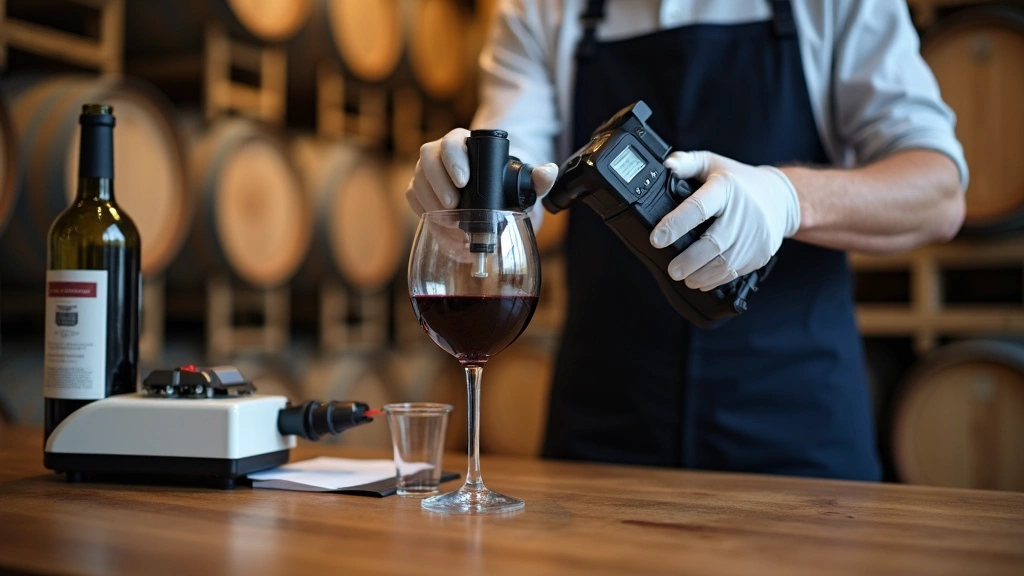
On-site laboratory equipment enables winemakers to conduct essential analyses without sending samples to external facilities, dramatically reducing turnaround time for critical decisions. Digital pH meters, refractometers, and spectrophotometers provide instant measurements of acidity, sugar content, and color intensity. These handheld devices deliver accuracy comparable to laboratory instruments at a fraction of the cost and with immediate results.
Advanced wine analyzers like those manufactured by InfraRed Instruments use near-infrared spectroscopy to measure alcohol content, residual sugar, total acidity, and volatile acidity in seconds. These non-invasive measurements preserve samples for further testing while providing precise data that guides production decisions. The technology eliminates the need for destructive testing methods that were previously required for certain measurements.
Microbiological testing equipment allows winemakers to monitor yeast and bacterial populations throughout fermentation. Rapid detection systems identify spoilage organisms before they compromise large batches, enabling immediate corrective action. Some producers maintain on-site microscopy and culturing capabilities for real-time microbiological assessment.
Gas chromatography and mass spectrometry equipment, while more specialized and expensive, provides detailed analysis of wine composition including volatile compounds responsible for aroma and flavor. While many producers outsource this advanced analysis, having access to these technologies—either through partnerships with research institutions or equipment ownership—enables deep understanding of how different practices influence final wine character.
Harvest and Sorting Automation
Modern harvesting technology ranges from GPS-guided mechanical harvesters to optical sorting systems that evaluate individual berries. Optical sorters use cameras and artificial intelligence to assess grape quality, color, and ripeness, automatically separating premium fruit from lesser-quality berries. This technology ensures consistency in the fruit entering fermentation while reducing the need for manual sorting that was historically labor-intensive and subjective.
Mechanical harvesters equipped with advanced sensors and vibration technology can selectively harvest fruit at optimal ripeness. GPS integration allows precise documentation of harvest location, timing, and conditions, creating detailed records of where different fruit came from within the vineyard. This granular data enables micro-lot production and helps identify which vineyard sections consistently produce superior quality.
De-stemming and crushing equipment now features variable speed controls and gentle processing options that minimize oxidation and harsh extraction. Some systems use underwater grape processing to protect fruit integrity while separating stems. The combination of mechanical precision with gentle handling preserves delicate flavor compounds while achieving consistent processing results.
Cold soak technology—refrigerated tanks that maintain fruit at near-freezing temperatures before fermentation begins—represents an important innovation for certain wine styles. Precise temperature control during this phase enhances color extraction and develops complex flavors. Electronic systems manage duration and temperature with accuracy impossible to achieve through manual methods.
Integration with Cloud Computing
The connection between vineyard sensors, fermentation monitors, and cloud computing benefits for businesses has created unprecedented transparency and accessibility in winemaking operations. Cloud-based platforms store massive amounts of production data, making information accessible from anywhere—allowing winemakers to monitor operations while traveling or consulting at multiple properties. This accessibility is particularly valuable for producers managing vineyards across different regions or countries.
Cloud integration enables sophisticated data analysis that would be impossible with local computing resources. Winemakers can correlate weather patterns, soil conditions, harvest timing, fermentation parameters, and final wine quality across multiple vintages and vineyard blocks. These analyses reveal patterns that guide future decisions, effectively turning accumulated experience into actionable intelligence.
Collaboration tools built into cloud platforms allow winemakers, consultants, and quality teams to share data, observations, and recommendations in real-time. Rather than waiting for scheduled meetings or written reports, stakeholders can access current information and discuss findings immediately. This collaborative approach accelerates decision-making and ensures that all relevant expertise informs critical choices.
Integration with TechPulseHunter Blog for main technology news and industry resources keeps winemakers informed about emerging technologies and best practices. Many producers actively engage with technology communities, sharing their own innovations and learning from peers facing similar challenges. This knowledge exchange accelerates adoption of beneficial technologies across the wine industry.
Backup and disaster recovery capabilities provided through cloud infrastructure protect critical production data. For winemakers managing valuable inventory and complex production schedules, losing data could be catastrophic. Cloud-based systems with redundant storage across multiple geographic locations ensure that essential information survives hardware failures or natural disasters.
FAQ
What is Clos de la Tech and why is it important for modern winemakers?
Clos de la Tech refers to the integration of advanced technology and gadgets into winemaking operations. It’s important because these tools provide precise data about vineyard conditions, fermentation progress, and wine composition, enabling winemakers to make informed decisions that improve quality, consistency, and efficiency. Technology doesn’t replace traditional winemaking knowledge—it enhances it by providing objective measurements and predictive insights.
How much does it cost to implement these technologies in a winery?
Costs vary dramatically based on winery size and technology scope. Basic soil sensors and fermentation monitors might cost $10,000-30,000 for a small operation. Comprehensive systems including drones, software platforms, and laboratory equipment can exceed $500,000 for larger producers. Many winemakers implement technology gradually, prioritizing investments that address their most pressing challenges first.
Can small winemakers benefit from technology, or is it only for large producers?
Technology benefits winemakers of all sizes, though implementation approaches differ. Small producers might invest in specific tools addressing critical needs—such as fermentation monitoring or soil sensors—rather than comprehensive systems. Many technology providers offer scalable solutions and cloud-based services that eliminate expensive infrastructure investments, making advanced tools accessible to smaller operations.
Does technology eliminate the need for winemaker expertise and intuition?
Absolutely not. Technology provides data and insights, but expert winemakers interpret this information within the context of their vision and experience. The best outcomes result from combining technological precision with human expertise, creativity, and understanding of how different decisions influence final wine character. Technology augments human judgment rather than replacing it.
How do winemakers ensure data security with cloud-based systems?
Reputable wine industry software providers implement enterprise-grade security including encryption, multi-factor authentication, and regular security audits. Winemakers should verify that their technology partners comply with industry standards and maintain robust backup systems. Many producers also maintain local backups of critical data as additional protection against potential cloud service disruptions.
What’s the learning curve for implementing new winemaking technology?
Most modern winemaking technology is designed for user-friendly operation, though training is essential for maximizing benefits. Manufacturers typically provide comprehensive training, and many offer ongoing support through consultation services. The initial learning curve varies from a few days for simple devices to several weeks for comprehensive software platforms. Experienced winemakers generally adapt quickly because they understand the underlying winemaking principles that technology supports.


