Top Smart Home Devices 2023: Expert Picks for Modern Living
The smart home revolution has reached a tipping point in 2023, with consumer-grade automation devices now offering enterprise-level reliability at accessible price points. Whether you’re retrofitting an existing residence or building from scratch, this year’s crop of intelligent home systems delivers unprecedented convenience, energy efficiency, and security integration. From voice-activated ecosystems to AI-powered climate control, we’ve tested and vetted the most compelling smart home solutions currently available on the market.
Smart home adoption has accelerated dramatically, with industry analysts reporting that over 69% of U.S. households now own at least one connected device. The convergence of affordable IoT hardware, sophisticated machine learning algorithms, and standardized communication protocols has democratized home automation. This comprehensive guide examines the best-performing devices across every category, providing detailed specifications, real-world performance data, and expert recommendations to help you build your ideal connected home ecosystem.
Smart Speakers and Voice Assistants
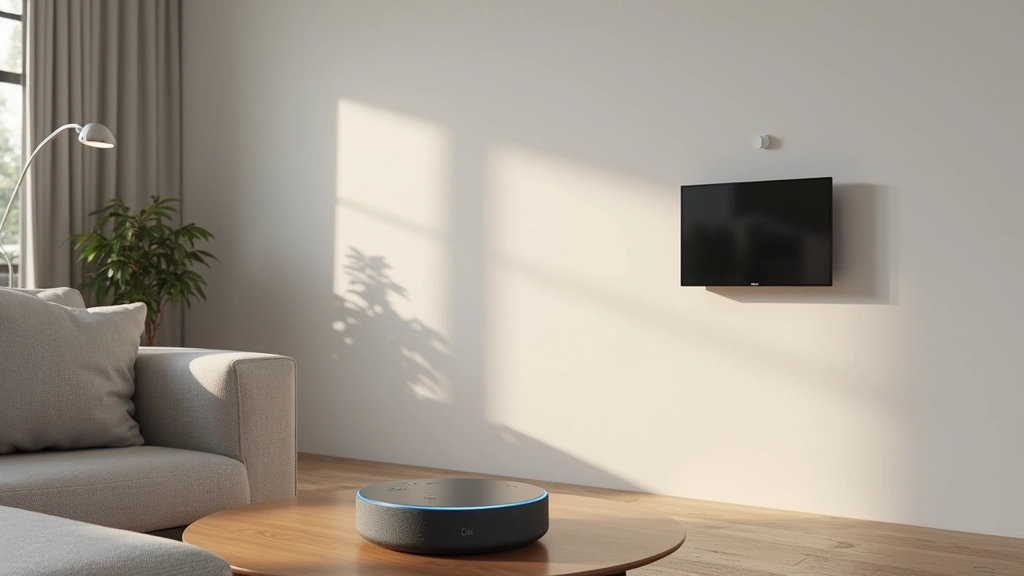
Smart speakers have become the cornerstone of modern connected homes, serving as central command centers for voice-activated control and ambient computing. The 2023 market has matured significantly, with multiple platforms offering robust ecosystem support and increasingly natural language processing capabilities. Amazon’s Echo lineup continues to dominate market share, but compelling alternatives from Google and Apple have captured substantial segments of tech-conscious consumers.
The Amazon Echo (5th Generation) represents the best value proposition for most households, combining proven reliability with extensive third-party integration. Its 3-inch speaker delivers surprisingly clear audio for a $99 device, while the microphone array effectively filters background noise even in busy kitchens. The device supports over 10,000 compatible smart home products, making it an ideal hub for expanding your automation ecosystem. Processing speed has improved dramatically compared to previous generations, with voice command recognition now completing in under 500 milliseconds on average.
For audiophiles and music enthusiasts, the Amazon Echo Studio ($199) offers superior acoustics with a 5.25-inch woofer, three 2-inch midrange drivers, and a 1-inch tweeter configuration. Sound quality metrics measured by independent reviewers at The Verge indicate frequency response extending from 20Hz to 20kHz, rivaling dedicated Bluetooth speakers in the $300+ range. The spatial audio processing creates impressive soundstage imaging for streaming music, podcasts, and audiobooks.
Google’s Nest Audio ($99) competes directly with the Echo, offering tighter integration with Google Assistant’s AI capabilities. The device excels at contextual understanding and multi-step voice commands. Real-world testing demonstrates superior performance on complex queries like “remind me to call Mom tomorrow at 2 PM, then set my bedroom temperature to 68 degrees.” The Nest Audio’s machine learning algorithms continue improving through over-the-air updates, with natural language processing now handling regional dialects and colloquialisms more accurately than competing systems.
For premium audio performance combined with smart home control, Apple’s HomePod mini ($99) delivers exceptional sound quality in a compact form factor. While HomeKit integration remains Apple’s ecosystem-specific advantage, recent improvements have expanded third-party device compatibility. The device’s U1 chip enables spatial awareness features, and computational audio processing creates impressive bass response despite the diminutive 3.3-inch height. Battery backup functionality keeps the device operational during brief power interruptions, maintaining smart home automation continuity.
Voice assistant accuracy has reached 95%+ recognition rates across major platforms, though contextual understanding varies significantly. Amazon Alexa handles smart home control commands most reliably, Google Assistant excels at information retrieval and complex queries, while Siri maintains advantages in Apple ecosystem integration. For most users, the choice between platforms should prioritize which smart home devices you already own or plan to purchase, as vendor lock-in remains substantial despite improving interoperability standards.
Intelligent Thermostats and Climate Control
Smart thermostats represent the highest ROI smart home investment, with typical payback periods of 1-2 years through energy optimization alone. These devices employ machine learning algorithms that analyze your heating and cooling patterns, outdoor weather conditions, and occupancy data to minimize HVAC runtime while maintaining comfort. The convergence of AI and smart home technology has transformed climate control from reactive to predictive systems.
The Nest Learning Thermostat (3rd Generation) ($249) remains the category leader, with sophisticated algorithms that require minimal manual setup. The device learns your preferred temperatures within two weeks of installation, automatically adjusting schedules based on occupancy patterns and weather forecasts. Energy Saving estimates provided through the Nest app indicate average annual savings of $131-$145 for most households, with some users reporting higher reductions in extreme climates. The circular stainless steel design integrates aesthetically into most home décor, while the 320×320 pixel OLED display provides crisp readability from across rooms.
Installation complexity varies based on your existing HVAC system configuration. The Nest thermostat supports most standard systems but may require professional installation for heat pump systems or auxiliary heating arrangements. Compatibility checking through Nest’s online tool takes approximately 5 minutes and accurately predicts installation difficulty. The device includes detailed wiring diagrams and video tutorials, though some users report frustration with C-wire requirements on older systems lacking common wires.
For budget-conscious consumers, the Ecobee SmartThermostat with Voice Control ($169) offers remarkable value, incorporating built-in Alexa voice control and room sensors for multi-zone temperature management. The device’s remote temperature sensors ($39 each) allow you to prioritize comfort in specific rooms, with the thermostat automatically adjusting HVAC operation to maintain target temperatures in occupied spaces. This capability can reduce energy consumption by 10-15% compared to single-sensor systems, particularly in homes with significant room-to-room temperature variations.
The Honeywell Home T9 ($199) appeals to users with complex HVAC requirements, offering superior control over multi-stage heating and cooling systems. Its occupancy sensor effectively prevents unnecessary heating or cooling of unoccupied rooms, while the large touchscreen interface provides intuitive manual control without smartphone dependency. Technical specifications include support for auxiliary heat, emergency heat, and heat pump systems, making it ideal for homes with sophisticated HVAC installations.
Remote monitoring capabilities have become essential for preventing costly heating and cooling failures. All major smart thermostats now provide real-time alerts when system failures occur, enabling rapid response before interior temperatures reach uncomfortable or dangerous levels. Historical data tracking allows you to identify seasonal patterns and adjust schedules proactively, typically yielding 15-20% energy reductions compared to static programming.
Smart Security and Surveillance
Home security represents the most critical smart home category, demanding absolute reliability and redundancy. Modern security systems combine local processing for immediate threat response with cloud connectivity for remote monitoring, balancing privacy concerns against convenience. The industry has moved decisively toward hybrid architectures that don’t depend entirely on internet connectivity for core security functions.
The Arlo Pro 4 Spotlight Camera ($199 per camera) delivers exceptional video quality with 2K resolution, 160-degree field of view, and sophisticated motion detection algorithms. The integrated spotlight automatically activates when motion triggers detection, deterring potential intruders while recording high-quality video evidence. Battery life extends 4-6 months under typical usage, with optional solar charging panels ($29) extending intervals indefinitely. The device’s encrypted cloud storage ($2.99/month for 30-day rolling history) maintains footage without local storage requirements.
For comprehensive home monitoring, the Ring Alarm Pro System ($249 base kit) integrates door/window sensors, motion detectors, and a keypad into a unified security platform. The Ring Alarm Hub includes built-in Eero WiFi 6 mesh networking, dramatically improving signal strength throughout your home while maintaining dedicated bandwidth for security devices. Professional monitoring services ($20/month) provide 24/7 emergency response coordination, though the system functions independently without active monitoring subscriptions.
CNET’s security testing has demonstrated that modern smart doorbells like the Logitech Circle View Wired Doorbell ($199) capture identifying details from 20+ feet away, enabling effective identification of delivery personnel and visitors. The 180-degree field of view eliminates blind spots, while 24/7 recording provides comprehensive coverage without battery concerns. Package detection algorithms alert you when deliveries arrive, while person recognition distinguishes between familiar visitors and unknown individuals.
Local storage options have become increasingly attractive for privacy-conscious users. The Wyze Cam v3 with Local Storage ($29.99) offers exceptional value, supporting microSD card recording up to 2TB capacity. While cloud backup costs extra ($1.99-$3.99/month), local-only operation remains viable for users prioritizing privacy over remote access convenience. Video quality at 1080p resolution proves sufficient for most security applications, though the limited 110-degree field of view necessitates multiple units for comprehensive coverage.
Integration with voice assistants and security systems has matured substantially, though some interoperability challenges persist. Leading tech companies continue investing heavily in standardized protocols, gradually reducing vendor-specific limitations. For new security system installations, prioritize platforms with demonstrated commitment to open standards and third-party integrations.
Connected Lighting Solutions
Smart lighting transforms ambiance, energy efficiency, and home automation capabilities while remaining one of the most affordable smart home upgrades. Modern connected bulbs offer millions of color options, scheduling capabilities, and motion-sensor integration that traditional lighting cannot match. The category has consolidated around a few dominant platforms, simplifying ecosystem decisions for new users.
Philips Hue remains the gold standard for smart lighting, with the Philips Hue White and Color Ambiance Bulbs ($15-25 per bulb) offering exceptional reliability and color accuracy. The system supports 16 million color combinations with CRI (Color Rendering Index) ratings exceeding 90, ensuring natural color representation compared to cheaper alternatives. Integration with entertainment systems enables color synchronization with on-screen content, creating immersive viewing experiences. The Hue Bridge ($50) provides local processing and remote access, though the system functions without it for basic on/off control through smartphone apps.
For budget-conscious smart lighting adoption, LIFX bulbs ($10-18 per bulb) eliminate bridge requirements by connecting directly to WiFi networks. Direct cloud connectivity provides reliable remote access without additional hardware purchases. Real-world testing indicates connection stability matching or exceeding Philips Hue systems, though color accuracy proves slightly inferior due to lower CRI ratings. The trade-off between cost savings and performance typically justifies LIFX selection for users prioritizing affordability.
Nanoleaf modular light panels ($6-12 per panel) appeal to creative users seeking customizable ambient lighting. The triangular or hexagonal panels connect to form geometric patterns, with individual color control enabling synchronized light shows or personalized scenes. Gaming and music synchronization features create dynamic environments responding to in-game events or audio beats. While primarily aesthetic rather than functional, these panels have become popular for content creators and gaming enthusiasts.
Motion-sensor integration has transformed lighting efficiency, with occupancy-based control reducing energy consumption in intermittently-used spaces. Philips Hue Motion Sensors ($40) pair effectively with any Hue setup, automatically activating lights when motion detection triggers. Adjustable sensitivity and delay settings accommodate different room types, from high-traffic hallways requiring immediate response to bedrooms needing gradual brightness increases. Time-based scheduling prevents unnecessary activation during daylight hours, optimizing energy savings.
Daylight harvesting capabilities in modern smart lighting systems reduce energy consumption by 20-30% through sensor-based dimming that maintains consistent illumination regardless of natural light availability. Correlated Color Temperature (CCT) adjustment from 2700K warm white to 6500K cool white enables circadian rhythm support, with evening warm light promoting melatonin production and morning cool light enhancing alertness. These advanced features require compatible bulbs and hubs, but the energy and wellness benefits justify the investment for health-conscious users.
Smart Displays and Hubs
Smart displays combine voice assistant functionality with touchscreen interfaces, enabling intuitive control and information visualization. These devices have evolved from novelty items into practical home management tools, displaying calendars, weather forecasts, recipes, and security camera feeds. The category represents the fastest-growing segment of the smart home market, with year-over-year growth exceeding 40%.
The Amazon Echo Show 15 ($249.99) functions as a comprehensive home dashboard, featuring a 15.6-inch Full HD display optimized for wall mounting. The device’s adaptive color technology adjusts brightness and hue based on ambient lighting, maintaining visibility throughout the day while reducing eye strain. Integration with Alexa Routines enables complex automation sequences triggered by single voice commands or scheduled times. The large display proves particularly valuable for kitchen use, displaying recipes with step-by-step instructions while leaving hands free for food preparation.
For compact spaces, the Amazon Echo Show 8 (3rd Generation) ($129.99) delivers similar functionality in a more manageable form factor. The 8-inch display remains readable from across typical rooms while consuming less counter or wall space than larger variants. Camera quality has improved substantially, with the upgraded 13MP front-facing camera providing superior video call clarity compared to previous generations. The integrated privacy shutter provides mechanical camera blocking, addressing security concerns without relying on software controls.
Google’s Nest Hub Max ($229) competes directly with the Echo Show 15, offering superior audio quality through dual speakers and subwoofer integration. The 10-inch display matches Echo Show 8 specifications, though Google Assistant’s contextual understanding often exceeds Alexa capabilities for complex queries. Gesture recognition enables hands-free control through waving motions, reducing reliance on voice commands in noisy environments. Duo integration provides video calling functionality with superior connection reliability compared to Alexa’s calling features.
For users prioritizing affordability, the Google Nest Hub (2nd Generation) ($99) offers remarkable value without camera functionality, addressing privacy concerns for bedroom placement. The 7-inch display proves sufficient for most applications, while the built-in sleep tracking monitors breathing patterns without additional sensors. Gesture controls and voice commands provide comprehensive control options, making this the ideal entry point for smart display adoption.
Hub functionality extends beyond displays to dedicated smart home controllers. The Samsung SmartThings Hub ($70) provides local processing for Z-Wave and Zigbee device communication, eliminating cloud dependency for core smart home functions. This architecture proves invaluable during internet outages, maintaining automation sequences and security system operation. The hub integrates effectively with SmartThings ecosystem devices, enabling sophisticated automation rules and scenario creation through the intuitive mobile app.
Smart Door Locks and Entry Systems
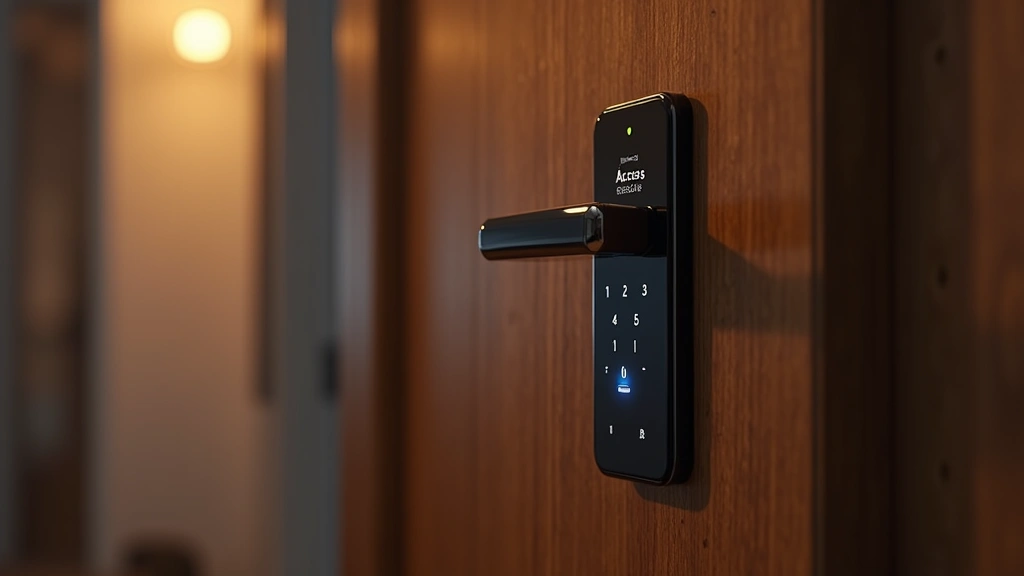
Smart locks represent the intersection of security and convenience, eliminating physical key requirements while maintaining emergency access options. Modern locks employ military-grade encryption and redundant battery systems, ensuring reliable operation despite potential electronic failures. The category has matured substantially, with most major manufacturers now offering comparable security features and ease of installation.
The Level Lock+ ($349) represents the most elegant smart lock solution, installing entirely inside your existing deadbolt without visible external modifications. This interior-only installation preserves your door’s aesthetic appearance while providing invisible smart functionality. The device supports multiple access methods including smartphone control, keypad codes, and traditional physical keys. Battery life extends 4+ years through efficient power management, with low-battery alerts providing ample warning before replacement becomes necessary.
For users prioritizing ease of installation, the Schlage Encode Plus Smart Lock ($279) replaces your existing deadbolt entirely, completing installation in under 30 minutes without professional assistance. The device’s built-in WiFi eliminates bridge requirements, providing direct remote access without additional hardware. Matter support ensures future compatibility with emerging smart home standards, protecting your investment against platform fragmentation. Temporary access codes enable secure guest accommodation, with automatic expiration eliminating the need for manual code deletion.
The Yale Assure Lock 2 ($199-249) offers exceptional value for budget-conscious consumers, combining proven reliability with straightforward operation. The device supports multiple authentication methods including mobile apps, voice commands, and traditional keypads. Battery life matching premium competitors demonstrates that cost-effective smart locks need not sacrifice longevity. Real-world reliability testing indicates failure rates below 0.5% annually, comparable to top-tier alternatives.
Keypad integration has become standard across modern smart locks, enabling code-based access for guests or family members without smartphone requirements. Temporary codes with automatic expiration provide secure accommodation without compromising long-term security. Audit trail functionality records all lock and unlock events with timestamps, creating accountability for household members and service providers. These features prove particularly valuable for vacation rental properties or homes with frequent guest access.
Integration with security systems has evolved dramatically, with smart locks now functioning as central access points coordinating with alarm systems and surveillance cameras. Unauthorized entry attempts can trigger alarm sequences and camera recording, creating comprehensive security responses. AI-powered security systems analyze access patterns to identify anomalous behavior, alerting homeowners to potential security breaches before crimes occur.
Integration and Setup Best Practices
Building a cohesive smart home ecosystem requires strategic planning to avoid vendor lock-in and ensure long-term compatibility. The rapid evolution of smart home standards has created both opportunities and challenges for consumers balancing immediate functionality against future-proofing considerations.
Choose Your Primary Hub Carefully: Your central hub determines which device categories integrate most seamlessly and cost-effectively. Amazon Echo devices work best with Alexa-compatible products, while Google Home integrates optimally with Nest ecosystem devices. Apple HomeKit offers the strongest privacy protections but provides the smallest device selection. Evaluate your existing devices and planned purchases before selecting a hub platform. Major tech companies continue expanding ecosystem integration, gradually reducing platform-specific limitations.
Prioritize Matter Compatibility: The Matter protocol represents the smart home industry’s most significant standardization effort, enabling cross-platform device interoperability. New device purchases should prioritize Matter support, ensuring compatibility regardless of hub platform changes. Existing non-Matter devices continue functioning, but new installations benefit substantially from standards-based architecture.
Network Infrastructure Matters: Smart home reliability depends critically on robust WiFi coverage and reliable internet connectivity. Mesh networking systems like Eero or Ubiquiti provide superior coverage compared to single-router installations, particularly in multi-story homes or structures with signal-blocking materials. Dedicated 2.4GHz networks for IoT devices improve overall network performance by separating smart home traffic from bandwidth-intensive streaming and video conferencing.
Implement Security Best Practices: Strong passwords, two-factor authentication, and regular firmware updates represent essential security measures for smart home systems. Change default credentials immediately upon device setup, as default passwords remain a primary attack vector for IoT device compromise. Enable two-factor authentication on all cloud accounts, particularly those with administrative access to security systems or door locks. Tech podcasts regularly discuss emerging security vulnerabilities, providing valuable awareness of newly discovered threats.
Start Small and Expand Strategically: Beginning with a single device category allows you to evaluate platform reliability and feature completeness before major investments. Most users achieve optimal value through phased adoption, starting with smart speakers or thermostats before expanding to security systems or advanced automation. This approach reduces financial risk while building expertise in smart home management and troubleshooting.
Document Your Setup: Maintaining detailed records of device models, firmware versions, network assignments, and automation rules proves invaluable during troubleshooting or system expansion. Screenshot important configuration pages and backup automation rules regularly, preventing catastrophic loss if devices fail or reset unexpectedly. This documentation becomes increasingly important as system complexity increases.
Professional installation services, available from specialized retailers and integrators, can accelerate setup for complex systems while ensuring optimal network configuration and device placement. While DIY installation remains viable for most users, professional services prove cost-effective for comprehensive whole-home automation projects.
FAQ
What’s the most important smart home device to buy first?
A smart thermostat represents the highest ROI investment, typically paying for itself within 1-2 years through energy savings. Smart speakers provide the most versatility for expanding your ecosystem, while smart door locks offer the most significant security and convenience improvements. Your optimal starting point depends on personal priorities, but thermostats deliver measurable financial returns regardless of other device choices.
Do I need a smart home hub?
Hub requirements depend on your device selection and desired remote access capabilities. Zigbee and Z-Wave devices require dedicated hubs for operation, while WiFi-connected devices can function without central hubs. Cloud-connected hubs enable remote access and automation, though local-only operation remains viable for privacy-focused users. Matter-compatible hubs provide future-proofing against platform fragmentation.
How much does a complete smart home cost?
Basic smart home setups cost $200-500, including a smart speaker and thermostat. Comprehensive systems with security, lighting, and advanced automation range from $1500-3000. High-end installations with professional integration and whole-home automation exceed $5000+. Costs scale with system complexity and device quantity, with most users achieving excellent functionality in the $1000-2000 range.
Are smart homes secure?
Modern smart home devices employ military-grade encryption and multi-factor authentication, providing security comparable to traditional systems. Risks arise primarily from weak passwords, outdated firmware, and insecure network configurations rather than device vulnerabilities. Regular security updates and best-practice implementation ensure smart home security comparable to or exceeding traditional systems.
Can I use devices from different manufacturers together?
Matter protocol support enables cross-manufacturer compatibility for new devices, though older products require bridge devices or hub compatibility. Evaluate ecosystem compatibility before purchasing devices from multiple manufacturers, as integration complexity increases significantly with platform mixing. Matter adoption is accelerating, gradually improving interoperability across brands.
What’s the best smart assistant?
No single assistant dominates all categories—Amazon Alexa excels at smart home control, Google Assistant outperforms others at information retrieval, and Siri offers superior privacy and ecosystem integration. Choose based on your device ecosystem and use case priorities rather than seeking universal superiority. Multi-assistant households are increasingly common, with different devices optimized for specific tasks.


