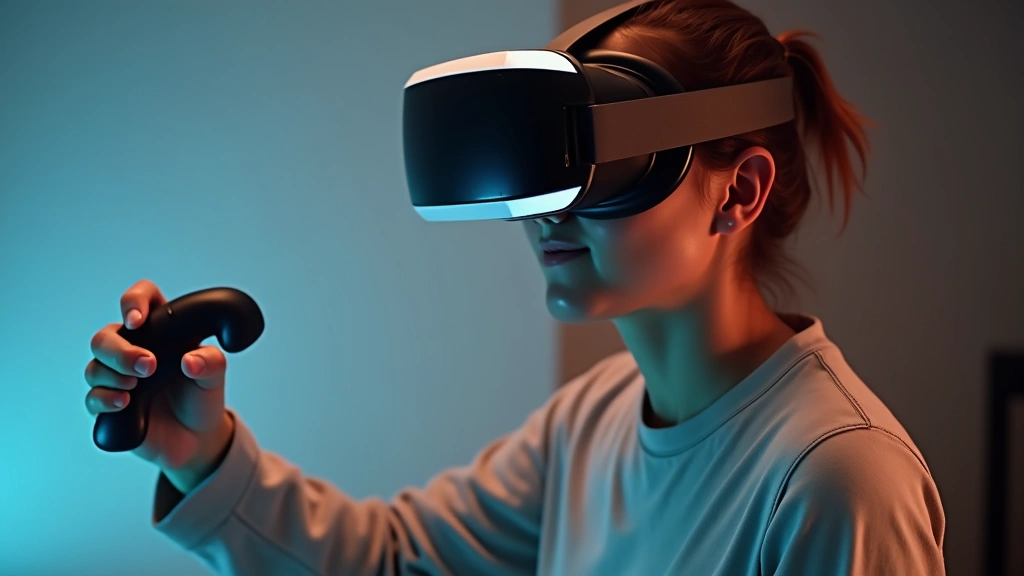
Virtual reality technology has evolved dramatically over the past year, transforming from a niche gaming accessory into a serious computing platform for professionals, developers, and enthusiasts alike. The best VR headsets in 2023 offer unprecedented levels of immersion, comfort, and performance that make extended sessions enjoyable rather than exhausting. Whether you’re exploring virtual worlds, developing applications, or experiencing cutting-edge entertainment, selecting the right headset depends on understanding the nuances of tracking technology, display resolution, processing power, and ergonomic design.
Finding the perfect VR headset requires balancing multiple factors: processing requirements, content ecosystem, price point, and most critically, comfort during extended wear. We’ve tested and evaluated the leading contenders to identify which models deliver the best overall experience, performance-per-dollar value, and future-proofing capabilities. This comprehensive guide examines each headset’s strengths, limitations, and ideal use cases to help you make an informed decision for your virtual reality investment.
Meta Quest 3: Best Overall VR Headset
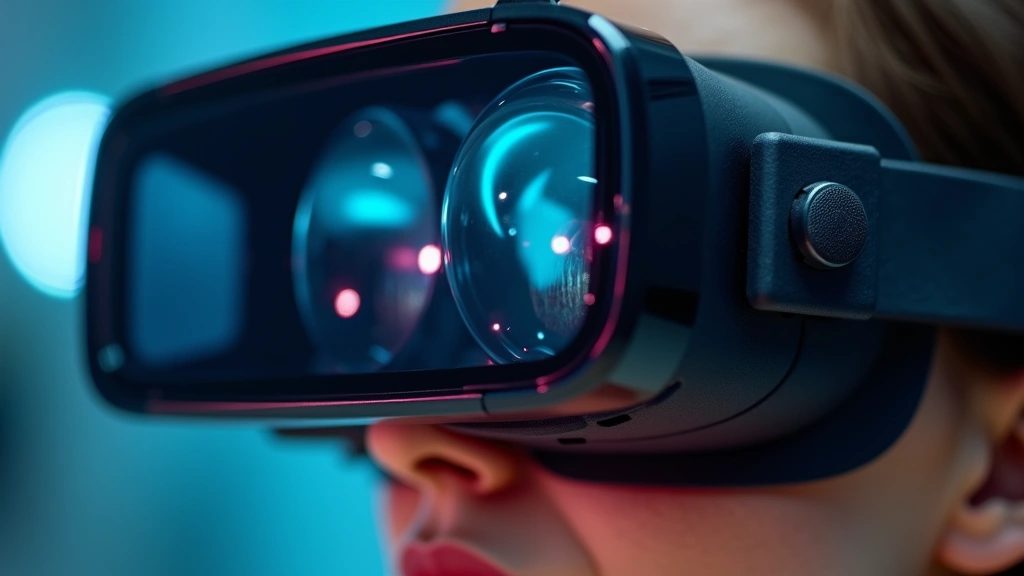
The Meta Quest 3 represents the pinnacle of mainstream virtual reality, delivering an exceptional balance of affordability, performance, and content access that appeals to both newcomers and experienced VR enthusiasts. Starting at $499 for the 128GB model, the Quest 3 offers remarkable value considering its processing capabilities, display quality, and standalone functionality that requires no PC or console tethering.
This headset features a 2064×2208 per-eye resolution with a 90Hz refresh rate, providing smooth visuals that minimize motion sickness and maximize immersion. The Snapdragon XR Gen 2 processor powers everything seamlessly, handling demanding games and applications without stuttering or performance drops. The integrated 8GB of RAM ensures smooth multitasking and application switching, while the battery delivers approximately 2.5 hours of continuous gameplay on a single charge.
What truly sets the Quest 3 apart is its mixed reality capabilities through advanced color passthrough cameras. Unlike previous generation black-and-white passthrough, the Quest 3’s full-color video see-through system allows you to blend digital content with your real environment, creating possibilities for productivity applications, fitness experiences, and innovative gaming mechanics. The hand tracking technology has improved significantly, allowing gesture-based control without requiring controllers in many applications.
The Quest 3 works exceptionally well as a tech gift for anyone interested in gaming or entertainment. Meta’s aggressive content strategy has resulted in an impressive library of games, fitness apps, social experiences, and productivity tools. Titles like Beat Saber, Arizona Sunshine 2, and Supernatural showcase the platform’s entertainment potential.
The comfort design includes an updated head strap with improved weight distribution compared to Quest 2, though some users with larger heads may want to invest in aftermarket comfort enhancements. The controllers offer reliable tracking and intuitive button layouts for most applications.
PlayStation VR2: Premium Console Gaming
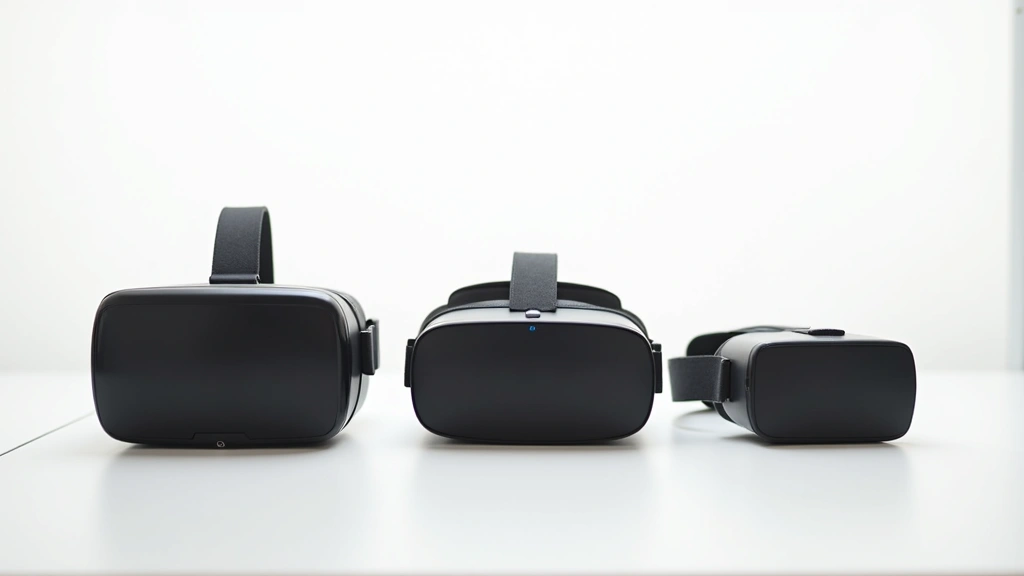
For PlayStation 5 owners seeking the ultimate console-based virtual reality experience, PlayStation VR2 delivers stunning visuals and exclusive AAA content that justify its $549 price point. This headset represents a generational leap from the original PlayStation VR, featuring a 2000×2040 per-eye resolution at 90Hz or 120Hz depending on the game.
The standout feature of PlayStation VR2 is its advanced eye-tracking technology, which enables foveated rendering—rendering only the center of your vision in full detail while reducing processing demands on peripheral areas. This optimization allows developers to create more visually ambitious games while maintaining performance targets. The haptic feedback in the controllers creates tactile sensations that enhance immersion during gameplay.
Setup requires a PlayStation 5 console and the dedicated PSVR2 Sense controller, creating a complete ecosystem optimized for performance. The headset’s ergonomic design distributes weight evenly across the head, and the adjustable lens spacing accommodates various interpupillary distances, improving comfort for extended sessions.
PlayStation’s first-party development studios have committed to creating exclusive titles that showcase PSVR2’s capabilities. Games like Horizon Call of the Mountain and Gran Turismo 7 demonstrate the graphical fidelity possible with Sony’s hardware. The extensive TechPulseHunter Blog coverage of gaming technology highlights the importance of exclusive content ecosystems in VR adoption.
The primary limitation is content exclusivity to the PlayStation ecosystem and the requirement for a PS5 console, making it less versatile than PC-based alternatives for productivity or professional applications.
HTC Vive XR Elite: Professional Power User Choice
The HTC Vive XR Elite ($1,699) targets professionals, developers, and power users who demand maximum versatility and computing power in a single headset. This all-in-one device runs Android-based ViveOS and connects to PCs for hybrid functionality, creating an incredibly flexible platform for enterprise applications, 3D design, architectural visualization, and advanced gaming.
Featuring dual 1800×1920 per-eye displays at 90Hz, the Vive XR Elite delivers sharp visuals suitable for detail-oriented professional work. The Snapdragon XR Gen 2 processor provides substantial processing power, while the option to connect to a PC via DisplayPort enables access to demanding SteamVR applications and professional software.
For professionals considering VR investments, understanding how technology and artificial intelligence transform professional workflows becomes essential. The Vive XR Elite’s AI-powered hand tracking and spatial mapping capabilities facilitate intuitive interaction with complex 3D data.
The headset’s superior build quality, extensive input options (controllers, hand tracking, eye tracking), and open ecosystem approach make it ideal for developers creating custom applications. The integrated cameras support mixed reality experiences with full-color passthrough, enabling workflows that blend digital tools with physical workspaces.
Battery life extends to approximately 2 hours of standalone use, with PC connectivity eliminating battery constraints for tethered applications. The weight distribution and adjustable head strap prioritize comfort for professional users who wear the headset for entire workdays.
Valve Index: Ultimate PC VR Experience
For PC gamers with high-end graphics cards and demanding performance requirements, the Valve Index ($999) remains the gold standard for visual fidelity and controller precision. Valve’s commitment to open VR standards and support for the Steam ecosystem ensures broad compatibility with thousands of titles and applications.
The Index features dual 1440×1600 per-eye displays refreshing at 120Hz (with optional 144Hz mode), delivering the smoothest visual experience in consumer VR. The high refresh rate dramatically reduces motion sickness and creates incredibly responsive control feedback, particularly beneficial for fast-paced games and precision applications.
The Knuckles controllers represent industry-leading input technology, featuring individual finger tracking, pressure-sensitive buttons, and haptic feedback that creates realistic tactile sensations. These controllers enable nuanced interactions impossible with standard gamepad-style inputs, enhancing presence and immersion.
Setup requires a capable PC with high-end GPU (RTX 2080 or equivalent minimum), making the total investment substantial but worthwhile for dedicated enthusiasts. The 2.0 base stations provide room-scale tracking across large play areas, supporting physically demanding games and applications.
Valve’s long-term support for PC VR and Steam’s massive game library ensure the Index remains relevant for years. The open ecosystem means future upgrades and accessories from third-party developers will extend functionality and lifespan.
Apple Vision Pro: Spatial Computing Innovation
Apple’s Vision Pro ($3,499) represents a paradigm shift in spatial computing, moving beyond traditional gaming-focused VR into a broader category emphasizing productivity, entertainment, and social interaction. While expensive, the Vision Pro’s technical achievements and integration with Apple’s ecosystem position it as a glimpse into VR’s future.
The dual micro-OLED displays deliver 4K resolution per eye at 90Hz, producing stunning visual clarity and color accuracy. Apple’s custom M2 chip and dedicated R1 processor handle graphics rendering and sensor fusion with exceptional efficiency, enabling smooth performance even during graphically demanding applications.
The external display showing your eyes to surrounding people creates a unique social interface, addressing one of VR’s longstanding concerns about user isolation. The eye-tracking, hand-tracking, and voice control input systems enable intuitive interaction without controllers, though controllers are available for certain applications.
The spatial audio system with personalized sound creates immersive audio environments that enhance presence and engagement. The visionOS operating system provides familiar Apple-style interface design, making the transition from iPhone and Mac relatively seamless.
Current limitations include limited third-party application availability, high price point excluding mainstream adoption, and lack of extensive game library compared to established VR platforms. However, Apple’s hardware capabilities and ecosystem integration suggest rapid content ecosystem growth.
Budget-Friendly Options
For users prioritizing affordability while maintaining reasonable quality, several excellent budget options provide accessible entry points into virtual reality. The Meta Quest 2 ($299 used/refurbished) remains relevant despite its age, offering proven reliability and access to Meta’s extensive content library.
The Pico 4 ($349) provides impressive specifications for its price, featuring 2160×2160 per-eye resolution and a capable processor. While Pico’s content ecosystem is smaller than Meta’s, the hardware performance justifies consideration for budget-conscious buyers.
These budget options sacrifice some visual fidelity and processing power compared to premium alternatives but deliver genuine VR experiences suitable for gaming, fitness, and entertainment. The tech industry investment analysis shows VR companies continuing aggressive competition in this price segment, ensuring continued innovation even at budget tiers.
Comfort and Ergonomics Comparison
Extended VR sessions demand serious attention to comfort, as poorly designed headsets cause neck strain, facial pressure discomfort, and eye fatigue that limit session duration and reduce enjoyment. The best modern headsets prioritize weight distribution, allowing 30+ minute sessions without significant discomfort.
The Meta Quest 3 weighs 515 grams with improved weight distribution through a redesigned head strap that spreads pressure more evenly. The PlayStation VR2 (645 grams) feels heavier but achieves acceptable comfort through careful engineering. The Valve Index (809 grams) requires a capable neck to handle extended sessions without fatigue.
Weight distribution matters more than absolute weight—headsets with forward weight concentration cause neck strain regardless of total mass. The Quest 3’s balanced design allows comfortable gameplay for casual users, though serious gamers may want aftermarket comfort enhancements like improved padding or counterweight systems.
Face interface material significantly impacts comfort and hygiene. Silicone or foam interfaces should be easily removable for cleaning, as sweat accumulation creates discomfort and potential skin irritation. Premium headsets like the Index include replaceable face interfaces for this reason.
Prescription lens users benefit from headsets offering adequate internal space or prescription lens inserts. The Quest 3 and Vive XR Elite both support prescription adapters, eliminating the need to wear glasses under the headset.
Content Ecosystems and Library Support
A headset’s value depends heavily on available content—the best hardware means nothing without compelling experiences to enjoy. Meta’s Quest platform boasts the largest consumer VR library with hundreds of games, fitness apps, social experiences, and productivity tools. The ecosystem’s breadth ensures most users find engaging content matching their interests.
Steam VR supports thousands of titles across PC VR headsets, offering unparalleled variety for PC-connected devices. The open nature of Steam ensures continued content growth as indie developers create innovative experiences alongside AAA studios.
PlayStation VR2’s content library emphasizes quality over quantity, with exclusive AAA titles from Sony’s first-party studios providing showcase experiences. The smaller library appeals to users prioritizing graphical fidelity and polish over variety.
Understanding AI technology stocks and their role in VR development reveals how artificial intelligence shapes future content creation, enabling more sophisticated NPCs, dynamic environments, and personalized experiences.
The Vision Pro’s emerging ecosystem includes productivity applications like Microsoft Office integration, creative tools, and entertainment content. While currently limited, Apple’s developer community and resources suggest rapid ecosystem expansion.
Technical Specifications Breakdown
Comparing VR headsets requires understanding key technical specifications that determine performance and user experience. Resolution directly impacts visual clarity—higher per-eye resolution reduces the screen-door effect where individual pixels become visible. Most 2023 headsets achieve 1800×2000+ per-eye resolution, providing acceptable clarity for most users.
Refresh rate (measured in Hz) determines how frequently the display updates. Higher refresh rates (90Hz+) create smoother motion and reduce motion sickness. The 120Hz capabilities of the Valve Index and PlayStation VR2 provide the smoothest experience, though most users find 90Hz acceptable.
Field of view (FOV) measures how wide your visual experience extends. Most headsets offer 100-110 degrees FOV—similar to human peripheral vision but slightly narrower than full human vision. The Valve Index achieves 130 degrees through advanced optics, creating a more immersive experience.
Processing power determines which applications run smoothly. Standalone headsets like Quest 3 sacrifice some performance compared to PC-connected devices but eliminate external hardware requirements. PC-connected headsets like the Index access superior graphics but require expensive computer hardware.
Tracking technology varies between inside-out (cameras on headset) and outside-in (external sensors). Inside-out tracking provides greater flexibility and eliminates setup complexity, while outside-in tracking (Valve Index’s base stations) offers superior accuracy for precision applications.
The Verge’s comprehensive VR headset reviews provide independent testing and long-term usage insights. CNET’s VR coverage includes detailed performance benchmarking and real-world testing. PC Gamer’s VR section focuses on PC-connected headsets and gaming performance. Road to VR provides daily VR industry news and detailed hardware reviews. HTC Vive’s official specifications detail technical capabilities of professional-grade headsets.
FAQ
Which VR headset offers the best value for casual users?
The Meta Quest 3 provides exceptional value at $499, offering standalone functionality, impressive performance, and access to Meta’s extensive content library. Casual users benefit from straightforward setup, intuitive controls, and hundreds of engaging games and experiences without requiring PC or console hardware.
What VR headset should PC gamers choose?
PC gamers demanding maximum visual fidelity should choose the Valve Index ($999) for its superior 120Hz display and advanced Knuckles controllers. The investment requires a high-end PC but delivers the smoothest, most responsive VR gaming experience available.
Is PlayStation VR2 worth the $549 investment?
PlayStation VR2 delivers exceptional value for PS5 owners seeking console-based VR. The eye-tracking technology, haptic feedback, and exclusive AAA titles justify the investment, though the requirement for a PS5 console limits appeal to existing PlayStation owners.
Can I wear VR headsets with glasses?
Yes, most modern headsets accommodate glasses through internal space or prescription lens inserts. The Quest 3 and Vive XR Elite both support prescription adapters, though glasses users should verify clearance before purchase. Alternatively, contact lenses provide a comfortable solution.
How long can I comfortably wear a VR headset?
Most users comfortably wear modern VR headsets for 30-60 minutes before experiencing fatigue. Extended sessions (2+ hours) require premium comfort accessories and frequent breaks. The Quest 3’s improved ergonomics support longer sessions than previous generation headsets.
What’s the difference between standalone and PC-connected VR?
Standalone headsets (Quest 3, Vive XR Elite) include built-in processors and require no external hardware. PC-connected headsets (Valve Index) access more powerful graphics but require expensive computer equipment. Standalone offers convenience; PC-connected offers superior graphics and performance.
Which headset best supports productivity applications?
The HTC Vive XR Elite ($1,699) excels for professional applications, offering hybrid standalone/PC connectivity, superior hand tracking, and enterprise software support. The Apple Vision Pro also targets productivity but with limited current application availability.
Are there any good budget VR headsets?
Yes, the Meta Quest 2 (available refurbished around $299) and Pico 4 ($349) provide excellent budget options. Both deliver genuine VR experiences with respectable performance, though they sacrifice visual fidelity compared to premium alternatives.
What’s the learning curve for VR headsets?
Modern VR headsets feature intuitive interfaces accessible to first-time users. Most people acclimate within 10-15 minutes of initial use. The Meta Quest 3’s hand-tracking and voice control features minimize learning requirements compared to controller-dependent systems.
How often are new VR headsets released?
Major manufacturers release new flagship models every 1-2 years, with incremental updates and new product categories emerging regularly. The rapid pace of VR innovation means investing in current-generation headsets provides 2-3 years of relevance before considering upgrades.


