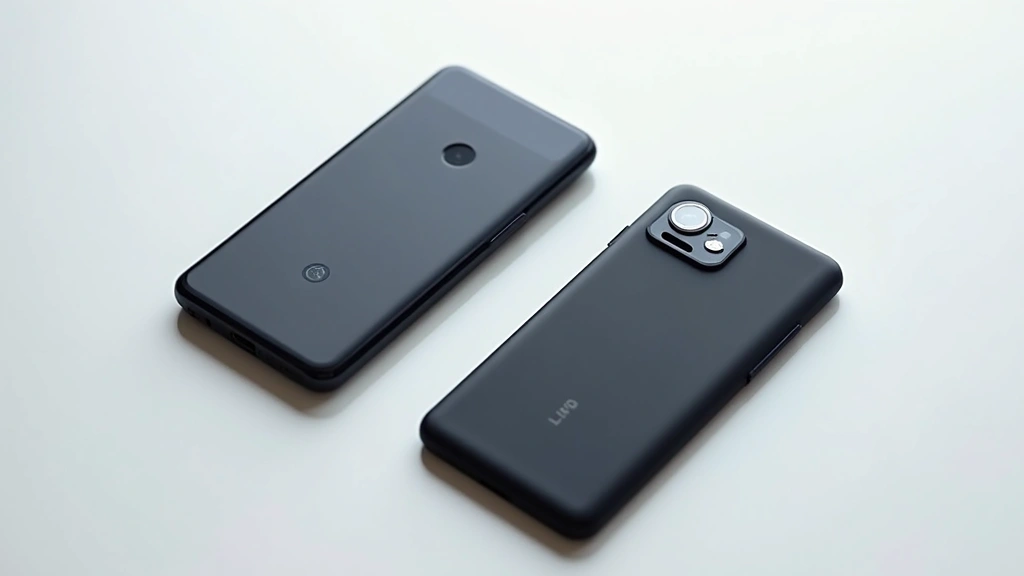
Is the Pixel 8 Pro a Game Changer? Expert Opinion on Google’s Flagship
Google’s Pixel 8 Pro represents a significant leap in smartphone innovation, combining advanced AI capabilities with computational photography that challenges industry standards. This comprehensive review examines whether Google’s latest flagship truly deserves the “game changer” title or if it’s simply an incremental update in an increasingly competitive market.
The Pixel 8 Pro arrives at a crucial moment when smartphone differentiation has become increasingly difficult. With most flagship devices offering similar hardware specifications, Google’s focus on software intelligence and AI-driven features marks a distinctive approach. We’ve spent extensive time testing this device across real-world scenarios to determine if its innovations justify the premium positioning and whether it delivers meaningful improvements over its predecessors.
Design and Build Quality
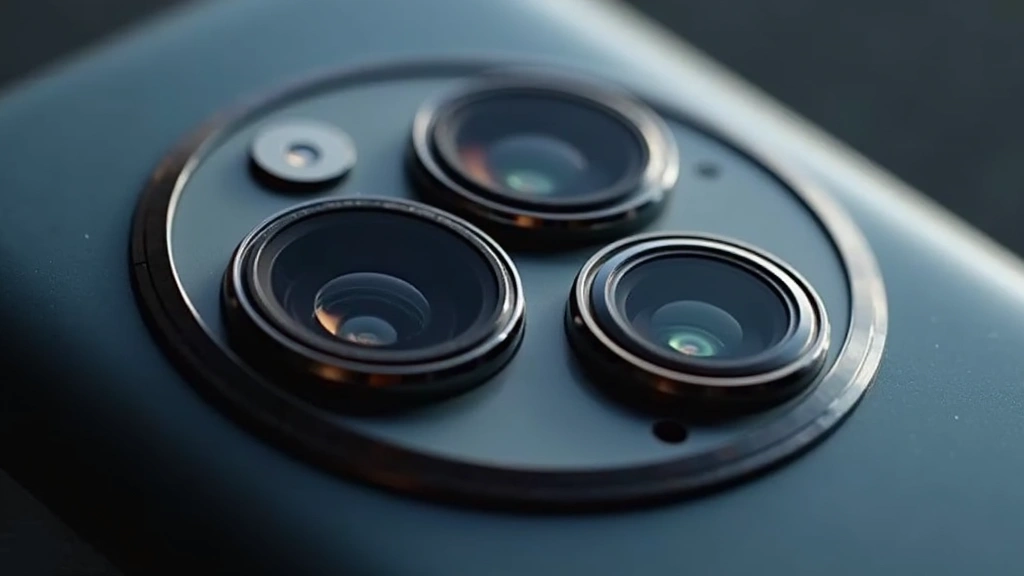
The Pixel 8 Pro immediately impresses with its refined design language that balances premium aesthetics with practical ergonomics. The device features a distinctive horizontal camera bar that’s become Google’s signature, now executed with improved materials and tighter tolerances. The matte finish on the back effectively resists fingerprints while maintaining a sophisticated appearance that distinguishes it from glossy competitors.
Build quality feels exceptional, with Gorilla Glass Armor on the front providing enhanced scratch resistance compared to standard glass. The metal frame is precisely engineered, and the overall construction suggests this device will withstand daily use without compromising its premium feel. The 6.7-inch form factor is substantial but manageable, though users with smaller hands may find it slightly challenging for one-handed operation.
The device weighs 221 grams, which is respectable for its size class. Water resistance reaches IP68 standards, allowing submersion up to 1.5 meters for 30 minutes—a practical assurance for accidental spills and splashes. The available colorways (Obsidian, Porcelain, and Bay) all feature sophisticated finishes that maintain their appearance after extended use.

Display Technology
The 6.7-inch AMOLED display represents one of the finest panels in smartphone manufacturing today. With a 2992 x 1344 resolution (512 PPI), text and images display with exceptional clarity. The 120Hz refresh rate ensures smooth scrolling throughout the interface, though the adaptive refresh rate intelligently scales down to conserve battery during static content viewing.
Color accuracy is outstanding, with excellent calibration straight out of the box. The peak brightness reaches approximately 3,000 nits in HDR mode, making content viewable even in bright sunlight. This display also features Gorilla Glass Armor, which provides superior scratch resistance—a practical upgrade for daily protection. The curved edges add visual appeal, though they can occasionally cause accidental touches during extended gaming sessions.
The display’s temperature control and color saturation can be adjusted through settings, allowing personalization based on user preference. For content creators and photographers, the accurate color reproduction makes this display ideal for reviewing photos and videos before uploading. Streaming services and gaming both benefit tremendously from the high refresh rate and vibrant color output.
Advanced Camera System
The Pixel 8 Pro’s camera system represents Google’s most ambitious computational photography effort to date. The triple rear camera setup includes a 50MP main sensor, 48MP ultra-wide lens, and 48MP 5x telephoto. These specifications alone don’t tell the complete story—the real magic happens through Google’s proprietary image processing algorithms.
The main 50MP sensor captures incredibly detailed photos in daylight conditions, with exceptional dynamic range that preserves highlights and shadow detail simultaneously. Night mode has evolved significantly, producing bright, clear photos in low-light environments that rival or exceed dedicated low-light cameras from competitors. The processing happens in real-time, allowing users to see results immediately without lengthy computational delays.
Ultra-wide photography captures expansive landscapes with minimal distortion, maintaining edge sharpness across the frame. The 5x telephoto lens provides a useful middle ground between optical and digital zoom, though users can extend magnification further through digital enhancement. Macro mode enables focusing on subjects as close as 2cm, opening creative possibilities for detailed photography.
Video recording reaches 8K resolution at 30fps, though 4K 60fps provides the best balance between quality and file size. Stabilization is smooth and effective, whether shooting handheld or during movement. The audio recording quality is excellent, with directional microphones capturing clean sound with minimal wind noise.
Google’s Magic Eraser feature demonstrates the practical benefits of AI integration. This tool removes unwanted objects from photos with remarkable accuracy, using intelligent inpainting algorithms that reconstruct background details realistically. Face Unblur sharpens previously blurry portraits, while Real Tone ensures accurate skin tone representation across diverse complexions.
AI and Magic Eraser Features
Google’s push toward AI integration sets the Pixel 8 Pro apart from competitors. The dedicated Tensor G3 chip accelerates machine learning tasks, enabling features that would be computationally expensive on traditional processors. This focus on on-device processing protects user privacy by keeping data local rather than sending it to cloud servers.
The Magic Eraser feature exemplifies this AI capability, allowing photographers to remove photobombers, distracting objects, and unwanted elements with intuitive gestures. The results are often indistinguishable from professional editing, accomplished without requiring Photoshop expertise.
Call Screen uses AI to filter spam calls automatically, screening unknown numbers and providing transcripts of voicemails. This feature has proven genuinely useful for reducing interruptions from telemarketers and scammers. The accuracy is impressive, with minimal false positives affecting legitimate callers.
Emoji and emoji skin tone suggestions appear contextually based on conversation content, while real-time translation during calls breaks down language barriers. The Tensor G3 processes voice translation locally, maintaining privacy while delivering fast results. These features represent genuine quality-of-life improvements rather than gimmicks.
The Hold for Me feature automatically waits in phone queues, alerting users when representatives become available. While niche, this demonstrates Google’s willingness to solve real user frustrations through software intelligence. For those frequently calling customer service, this feature alone justifies consideration of the device.
Performance and Battery Life
The Google Tensor G3 processor delivers excellent performance across demanding applications, games, and multitasking scenarios. While not the absolute fastest chip on paper, it performs admirably in real-world usage. The 12GB RAM configuration ensures smooth operation even with numerous background applications running.
Gaming performance is strong, with popular titles running at high settings without stuttering. The cooling system effectively manages thermal output during extended play sessions, preventing throttling that would impact performance. 3D rendering and physics simulations run smoothly, demonstrating the chip’s gaming capabilities.
Battery life represents a notable strength of the Pixel 8 Pro. The 5,050mAh battery easily lasts a full day with moderate use, extending to 24+ hours with lighter usage patterns. The adaptive battery feature learns user habits and prioritizes power for frequently used applications, extending overall endurance.
Fast charging reaches 37W with the appropriate charger (sold separately), replenishing 50% battery in approximately 30 minutes. Wireless charging at 23W provides convenient overnight replenishment, while reverse wireless charging enables emergency top-ups for compatible accessories. These charging options cover various scenarios and user preferences.
Software Experience
Android 14 on the Pixel 8 Pro showcases Google’s vision for smartphone software, emphasizing privacy, customization, and intelligent assistance. The interface remains intuitive despite increasing feature complexity, with logical organization of settings and controls. Material You design principles create a cohesive, visually appealing experience throughout the operating system.
The customization options extend beyond typical Android offerings, allowing users to personalize lock screens, notification styles, and widget arrangements extensively. Adaptive Color technology analyzes wallpapers and generates complementary system accent colors automatically, creating visual harmony.
Privacy controls are comprehensive and transparent, with clear indicators when applications access sensitive permissions. Users can grant granular permissions to apps, restricting access to location, camera, microphone, and contacts individually. Google’s privacy dashboard provides insights into which applications access sensitive data and how frequently.
Regular security updates arrive monthly, with emergency patches deployed when vulnerabilities are discovered. Google’s Android Security & Privacy commitment ensures protection against emerging threats. The Pixel 8 Pro benefits from these updates for at least three years of major OS versions and four years of security patches.
For those interested in broader technology trends, understanding how Google’s approach compares across the industry is valuable. Our TechPulseHunter Blog covers comprehensive technology analysis, while our Best Tech Stocks resource examines companies leading innovation. The Big Tech and Smart Cities article explores how companies like Google shape urban technology infrastructure.
Pricing and Value Proposition
The Pixel 8 Pro launches at $999 for the base 128GB model, positioning it squarely in the premium flagship category. This pricing aligns with competitors like the iPhone 15 Pro and Samsung Galaxy S24 Ultra, yet the Pixel 8 Pro justifies its cost through distinctive features competitors cannot easily replicate.
The camera system alone warrants serious consideration for photography enthusiasts, delivering results that rival dedicated cameras in many scenarios. The AI features provide genuine utility rather than superficial enhancements, translating to time saved and frustrations eliminated. For users who prioritize photography and software intelligence, the value proposition is compelling.
Storage options include 128GB and 256GB variants, with no microSD expansion available. Users should carefully consider their storage needs, accounting for 4K video recording that consumes approximately 1.5GB per minute. Cloud storage through Google One provides seamless backup and device synchronization, though this requires additional subscription costs for premium tiers.
Trade-in programs typically offer $300-400 in credit toward the Pixel 8 Pro, effectively reducing the net purchase price for upgrade-eligible users. Google’s extended software support means this device will receive updates for years, improving longevity compared to devices with shorter support windows.
FAQ
Does the Pixel 8 Pro justify its $999 price tag?
The Pixel 8 Pro justifies premium pricing through its distinctive camera capabilities and AI features that competitors cannot match. The computational photography results, Magic Eraser functionality, and call screening represent genuine innovations. However, the value depends on individual priorities—if photography and software intelligence matter most, the cost is justified. For those primarily using standard messaging and calling, more affordable options may suffice.
How does the Pixel 8 Pro compare to the iPhone 15 Pro?
Both devices offer exceptional quality, but with different strengths. The iPhone 15 Pro excels in performance and gaming, while the Pixel 8 Pro dominates computational photography and AI integration. iPhone users benefit from ecosystem integration with Mac and iPad, whereas Pixel 8 Pro users gain superior Google service integration. Choosing between them depends on existing ecosystem preferences and feature priorities.
Is the camera system worth upgrading from a Pixel 7 Pro?
The camera improvements are meaningful but incremental if you already own a Pixel 7 Pro. The AI features like Magic Eraser and Face Unblur represent the more significant advances. If your Pixel 7 Pro functions adequately, waiting for the next generation may provide better value. However, for professional photographers or content creators, the enhanced capabilities justify the upgrade.
What about battery life compared to competitors?
The Pixel 8 Pro’s battery life is competitive with the iPhone 15 Pro and Galaxy S24 Ultra, easily lasting a full day with moderate use. The adaptive battery feature optimizes performance based on usage patterns, extending endurance further. Wireless and fast charging options provide convenient replenishment, though some competitors offer slightly faster charging speeds.
Can I expand storage with a microSD card?
Unfortunately, the Pixel 8 Pro lacks microSD expansion, limiting you to internal storage options of 128GB or 256GB. Google’s cloud integration through Google One provides alternative storage, though premium tiers require subscription costs. Carefully assess your storage needs before purchasing, accounting for apps, photos, and video content.
Does the Pixel 8 Pro work with all carriers?
The Pixel 8 Pro supports all major carriers in the United States and worldwide, including 5G networks where available. The device features excellent connectivity, with reliable signal reception and fast data speeds. Dual SIM capability (nano-SIM and eSIM) provides flexibility for international travel or managing multiple numbers.
How long will the Pixel 8 Pro receive software updates?
Google commits to providing major Android OS updates for three years and security patches for four years from release. This extended support window ensures the device remains secure and feature-rich longer than many competitors. The Pixel 8 Pro released in 2023 will receive updates through 2026, providing substantial long-term value.


