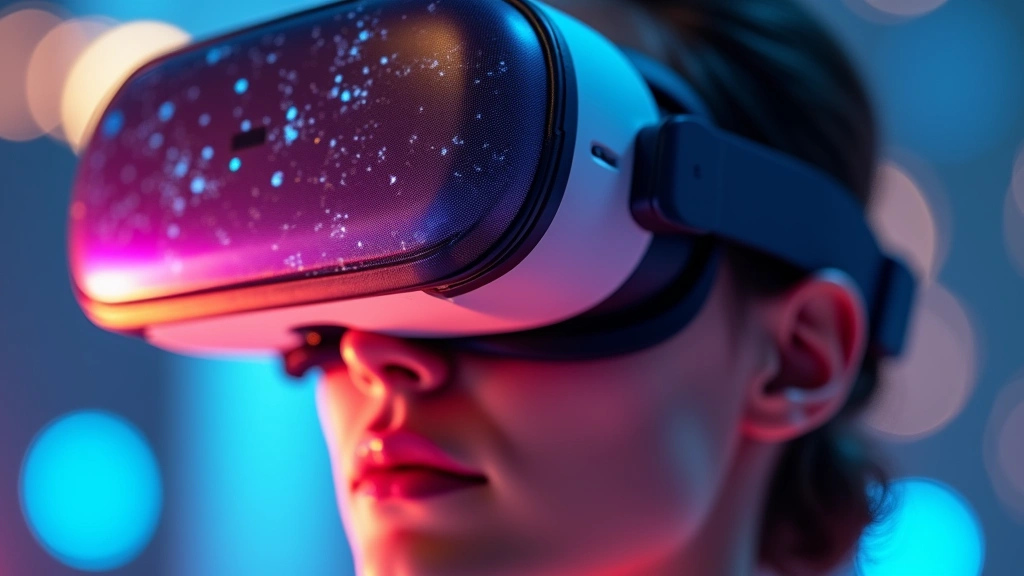
Virtual reality technology has reached an inflection point. The latest generation of VR headsets represents a quantum leap in immersion, performance, and accessibility. Whether you’re a seasoned enthusiast or a curious newcomer, understanding the capabilities and limitations of current-generation VR hardware is essential before making a significant investment. This comprehensive review examines whether the newest VR headset truly delivers on its promises and whether it justifies the premium price tag for demanding users and casual gamers alike.
The VR market has matured considerably over the past five years, moving beyond the novelty phase into genuine productivity and entertainment applications. Major manufacturers have invested billions in research and development, resulting in headsets that offer stunning visual fidelity, responsive tracking systems, and compelling software ecosystems. However, not all VR headsets are created equal, and choosing the right device requires understanding the technical specifications, performance metrics, and real-world usage scenarios that matter most to your needs.
Display Technology and Visual Performance
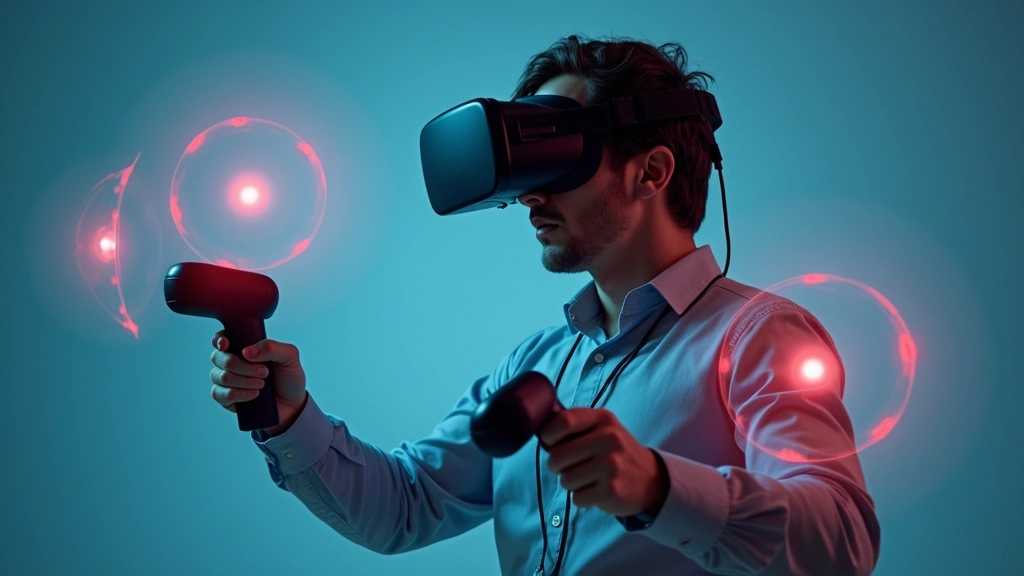
The display technology powering modern VR headsets has undergone dramatic improvements. The latest models feature high-resolution OLED or LCD panels with refresh rates reaching 120Hz or beyond, delivering exceptionally smooth visuals that minimize motion sickness and maximize immersion. The pixel density has improved substantially, reducing the screen-door effect that plagued earlier generations where users could see individual pixels. Current flagship headsets achieve pixel densities exceeding 50 pixels per degree, approaching the human eye’s visual acuity limits.
Color accuracy and contrast ratios have reached impressive levels, with OLED displays providing deep blacks and vibrant colors essential for cinematic experiences. The field of view (FOV) has expanded to approximately 100-110 degrees, creating a more natural peripheral vision experience compared to earlier 90-degree implementations. However, achieving maximum FOV often comes with trade-offs in optical quality and edge distortion, requiring sophisticated lens designs and software correction algorithms.
Resolution specifications are particularly noteworthy. The latest headsets deliver combined resolutions of 2064×2208 per eye or higher, representing a significant improvement over previous generations that struggled with sub-1080p per-eye specifications. This dramatic increase in pixel count directly translates to sharper text rendering, more detailed environments, and reduced aliasing artifacts during gameplay. When reviewing big tech platform industry news, the advancement in display technology consistently ranks as a priority for manufacturers competing in the premium VR market segment.
HDR (High Dynamic Range) support represents another critical advancement, allowing for greater contrast between bright and dark elements within virtual environments. This technology creates more realistic lighting conditions and enhances the overall visual impact of carefully optimized content. However, widespread HDR content adoption remains limited, with most VR applications still targeting SDR (Standard Dynamic Range) specifications.
Processing Power and Performance Benchmarks
The computational demands of VR are substantially higher than traditional gaming due to the requirement of rendering two separate high-resolution displays at high refresh rates while maintaining sub-20-millisecond latency. The latest VR headsets leverage cutting-edge processors, with flagship models incorporating chips that deliver performance rivaling high-end gaming desktops or custom silicon optimized specifically for VR workloads.
GPU performance is paramount for achieving smooth gameplay at high resolutions and refresh rates. Benchmarks from reputable sources like The Verge’s technology section demonstrate that current-generation headsets can handle complex visual effects, ray tracing, and advanced physics simulations previously thought impossible in mobile VR environments. Frame rate stability is critical, and modern headsets employ adaptive quality systems that maintain consistent performance by dynamically adjusting graphical settings when necessary.
Memory specifications have expanded dramatically, with flagship models featuring 12GB of VRAM or more, enabling developers to create richer, more detailed virtual worlds without constant asset streaming. CPU architecture improvements ensure that physics calculations, artificial intelligence, and complex game logic execute without bottlenecking the rendering pipeline.
Power consumption has become increasingly efficient through architectural improvements and manufacturing process advances, allowing longer battery life for wireless headsets without sacrificing performance. Thermal management systems prevent throttling during extended gaming sessions, maintaining consistent frame rates and preventing device shutdowns during peak usage.
When examining best tech stocks to invest in, companies leading VR processor development have attracted significant investor attention due to the projected growth of immersive computing markets over the next decade.
Tracking and Motion Control Systems
Precise tracking represents the foundation of immersive VR experiences. Modern headsets employ multiple tracking methodologies including inside-out tracking using camera arrays, external sensor stations, or hybrid approaches combining both techniques. Inside-out tracking has become the industry standard, eliminating the need for external base stations and simplifying setup for consumers.
The latest generation tracking systems achieve sub-centimeter accuracy with latency below 20 milliseconds, enabling natural hand presence and realistic interaction with virtual objects. Camera resolution and processing capabilities have improved substantially, with some headsets featuring eight or more tracking cameras distributed around the device for comprehensive coverage.
Hand tracking technology has matured significantly, allowing natural gesture recognition and finger-level control without requiring controllers. Optical hand tracking systems now achieve accuracy sufficient for precise manipulation tasks, though dedicated controllers still provide superior tactile feedback and reliability for competitive gaming scenarios.
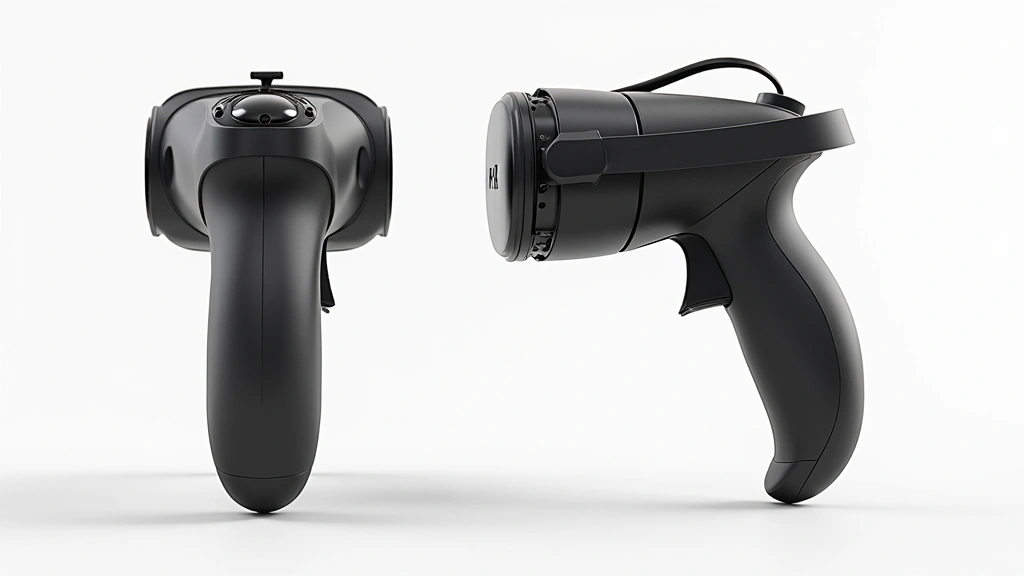
Controller improvements include better ergonomics, improved haptic feedback systems that simulate realistic touch sensations, and longer battery life. Haptic technology has advanced from simple vibration to more sophisticated force feedback systems that can simulate the sensation of touching different materials with varying textures and temperatures.
Positional tracking space has expanded, with modern systems reliably tracking movement across larger play areas (up to 10×10 meters or more) with consistent accuracy. This enables more active gameplay styles and reduces the likelihood of tracking loss during vigorous movement or when controllers are temporarily outside the primary tracking volume.
Comfort and Ergonomic Design
Extended VR sessions demand exceptional comfort, and manufacturers have made significant strides in reducing weight, improving weight distribution, and enhancing padding quality. Modern headsets weigh between 500-650 grams, representing meaningful reductions from earlier models that often exceeded 800 grams. Weight distribution systems position the center of gravity closer to the wearer’s head, reducing neck strain during prolonged use.
Adjustable head straps with multiple connection points ensure secure fit across diverse head shapes and sizes. Padding materials have evolved to balance comfort with durability and hygiene considerations, with many premium models featuring removable, washable face interfaces. Ventilation improvements reduce heat buildup and fogging during active use, critical factors for maintaining comfort during physically demanding VR applications.
Eye relief adjustment mechanisms allow users with different facial structures to achieve optimal optical alignment without compromising image quality. Prescription lens insert compatibility addresses the needs of users requiring vision correction, eliminating the need to wear glasses underneath the headset.
Pass-through camera systems on modern headsets display real-world surroundings through the display, allowing safe navigation of physical spaces without removing the headset. This feature enhances both safety and immersion, enabling mixed reality experiences that blend virtual and physical elements seamlessly.
Software Ecosystem and Content Library
The value proposition of any VR headset depends fundamentally on the quality and quantity of available software. The mature VR ecosystem now includes thousands of applications spanning gaming, productivity, education, social experiences, and entertainment categories. Major platforms have developed sophisticated storefronts with curation, user reviews, and recommendation systems that help consumers discover relevant content.
Gaming remains the primary content category, with titles ranging from casual experiences to AAA productions with budgets exceeding $50 million. Performance-critical games leverage advanced graphics techniques, complex narratives, and multiplayer systems that rival traditional gaming platforms. Educational applications enable immersive learning experiences in fields like medicine, engineering, and historical visualization.
Productivity applications have matured considerably, with virtual office environments allowing remote collaboration, 3D design tools for architects and engineers, and training simulations for professional development. The Tech Pulse Hunter Blog regularly covers emerging VR software developments and market trends that shape the competitive landscape.
Social VR platforms enable users to interact with friends and strangers in shared virtual spaces, creating persistent communities and social experiences unique to immersive computing. These platforms have demonstrated surprising staying power, with some attracting millions of active users.
Audio Experience and Spatial Sound
Immersive audio represents a critical component of VR presence, and modern headsets deliver sophisticated spatial audio through integrated speakers, bone conduction systems, or optional external audio hardware. Spatial audio rendering creates the illusion of sound emanating from specific locations within the virtual environment, enhancing immersion and providing critical gameplay information.
Head-related transfer function (HRTF) processing simulates how sound waves interact with the human head and pinnae, creating convincing directional audio cues that help users localize sound sources. Advanced implementations adapt HRTF processing to individual users’ measurements, further improving spatial audio accuracy.
Audio quality has improved substantially with dedicated audio processors, higher-quality speaker components, and better frequency response characteristics. Some headsets integrate pass-through audio systems that allow users to hear real-world sounds when needed, essential for safety and awareness in mixed reality scenarios.
Haptic audio technologies that convert audio signals into tactile vibrations add another dimension to immersive experiences, particularly valuable in games where physical feedback enhances impact and presence. Integration with professional audio equipment allows audiophiles and content creators to leverage VR platforms for music production and mixing applications.
Price and Value Proposition
Premium VR headsets command significant investment, with flagship models priced between $1,500 and $3,500. This substantial cost represents a barrier to mainstream adoption but reflects the advanced technology, manufacturing precision, and research investment required to deliver cutting-edge VR experiences. Mid-range options priced between $500-$1,000 offer compelling value propositions for consumers seeking quality experiences without premium pricing.
Total cost of ownership extends beyond the headset purchase to include optional accessories, replacement controllers, protective cases, and software purchases. Many consumers underestimate these ancillary costs, which can accumulate to 30-50% of the initial headset investment over several years of active use.
Subscription services for content libraries have emerged as recurring revenue models, similar to gaming platforms like PlayStation Plus or Xbox Game Pass. These services offer access to curated software collections, enabling consumers to explore diverse content without purchasing individual titles. When evaluating best tech gifts, VR headsets represent premium options suitable for enthusiasts and early adopters with disposable income dedicated to immersive technology.
Resale value considerations matter for consumers concerned about depreciation. Current-generation headsets retain 40-60% of their original value after two years, depending on condition and remaining software compatibility. This depreciation rate is comparable to high-end gaming consoles, making VR investments somewhat recoverable if users decide to upgrade.
Competitive Landscape Analysis
The VR market features intense competition between established technology companies and specialized VR manufacturers. Major players including Meta, Sony, HTC, and Valve each bring distinct advantages and target different consumer segments. Meta focuses on accessibility and ecosystem integration, Sony emphasizes console-quality experiences, HTC targets premium and enterprise applications, and Valve concentrates on PC-based enthusiast experiences.
Manufacturer differentiation increasingly focuses on specialized features rather than broad specifications. Some emphasize fitness and health applications, others prioritize enterprise training and simulation, while gaming-focused brands invest heavily in exclusive software partnerships. This segmentation allows consumers to select headsets aligned with their primary use cases rather than pursuing universal devices attempting to excel in all categories.
Recent industry trends indicate consolidation as smaller manufacturers struggle to compete against well-capitalized technology companies. However, niche markets for specialized applications continue attracting new entrants and innovation. Professional VR applications in medicine, architecture, and engineering demonstrate strong growth trajectories, attracting investment and development resources previously focused exclusively on consumer gaming.
International market dynamics show significant regional variations, with adoption rates varying dramatically by country based on pricing, cultural factors, and content availability. Asian markets demonstrate particularly strong growth, with China emerging as both a major manufacturer and consumer of VR technology.
According to CNET’s technology coverage, the VR industry continues experiencing rapid innovation cycles, with new hardware generations arriving approximately every 18-24 months. This pace creates challenges for consumers attempting to maximize long-term value from their investments.
Enterprise applications represent an increasingly significant market segment, with companies investing in VR training systems, virtual collaboration environments, and specialized simulation tools. This B2B market growth diversifies revenue streams for manufacturers and reduces dependency on consumer gaming demand. The Chicago Tech Companies Directory includes several firms developing enterprise VR solutions and related technologies.
Final Verdict and Recommendations
The latest generation of VR headsets unquestionably represents a game-changer compared to previous iterations. Dramatic improvements in display technology, processing power, tracking accuracy, and software quality have transformed VR from a niche enthusiast hobby into a legitimate platform supporting diverse applications and experiences. Whether the latest headset represents a worthwhile investment depends entirely on your intended use cases, budget constraints, and tolerance for rapidly evolving technology.
For competitive gamers and VR enthusiasts, current-generation flagship headsets deliver exceptional experiences that justify premium pricing. For casual users and those exploring VR for the first time, mid-range options provide compelling value without the flagship price premium. Enterprise customers evaluating VR for training or simulation applications should focus on manufacturer support, software ecosystem maturity, and total cost of ownership rather than raw specifications.
The trajectory of VR technology suggests continued rapid advancement, with emerging technologies like eye tracking, haptic gloves, and full-body tracking systems promising to further enhance immersion. Early adopters should anticipate regular hardware refreshes and plan accordingly for future upgrades. Those prioritizing long-term value may benefit from waiting for second-generation implementations of nascent technologies rather than adopting bleeding-edge features with limited software support.
Ultimately, the latest VR headset represents a genuine technological achievement worthy of serious consideration for anyone interested in immersive computing. The combination of technical excellence, expanding software ecosystem, and growing mainstream recognition positions VR for accelerated adoption and development over the coming years. For the right consumer or enterprise use case, current-generation VR headsets deliver compelling experiences that justify their premium pricing and complexity.
FAQ
What is the primary advantage of current-generation VR headsets over previous models?
Current-generation headsets deliver dramatically improved display resolution, achieving pixel densities that substantially reduce the screen-door effect while maintaining high refresh rates necessary for smooth, comfortable experiences. Combined with advanced processing power and refined tracking systems, modern VR headsets create genuinely immersive environments previously impossible with older technology.
How much does a premium VR headset cost, and is the investment worthwhile?
Flagship VR headsets typically cost between $1,500 and $3,500, with mid-range options available at $500-$1,000. The investment’s worthiness depends on intended use cases. Enthusiasts and professionals often find the technology transformative, while casual users may prefer more affordable alternatives or waiting for prices to decrease as technology matures.
Can VR headsets be used for productivity applications beyond gaming?
Absolutely. Modern VR platforms support productivity applications including virtual office environments, 3D design tools, training simulations, and collaborative workspaces. Enterprise adoption is accelerating as organizations recognize VR’s potential for training, design visualization, and remote collaboration.
What tracking technology do modern VR headsets use?
Most current-generation headsets employ inside-out tracking using integrated camera arrays that monitor the user’s position and controller locations without requiring external sensors. This approach simplifies setup and enables reliable tracking across larger play spaces compared to older external sensor-based systems.
How long can users comfortably wear modern VR headsets?
Comfort duration varies by individual and headset design, but modern devices with improved weight distribution and padding allow comfortable wear for 2-4 hours. Extended sessions beyond this duration may cause neck strain or facial discomfort, though individual tolerance varies significantly.
Are there health concerns associated with extended VR use?
Potential concerns include eye strain, motion sickness for susceptible individuals, and neck strain from extended wear. However, modern headsets with high refresh rates, improved optics, and better weight distribution have substantially reduced these issues compared to earlier generations. Taking regular breaks remains advisable for extended sessions.
What software ecosystem support exists for VR platforms?
Major VR platforms offer thousands of applications spanning gaming, productivity, education, social experiences, and entertainment. Subscription services provide access to curated software collections, similar to traditional gaming platforms. Content quality and diversity have matured significantly, supporting diverse interests and use cases.